
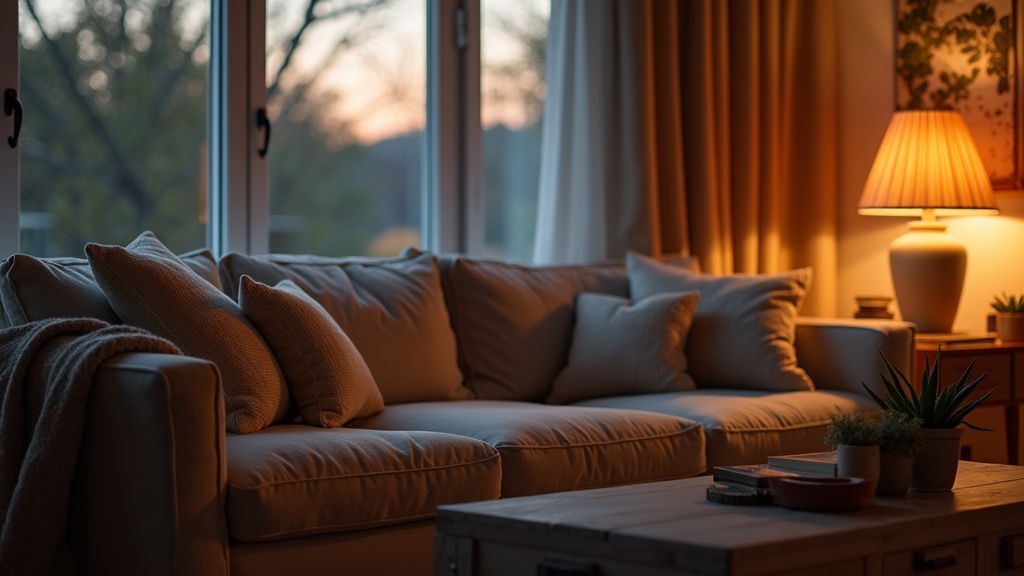
You replace a bulb, and something shifts. The room feels different, and you are not sure why. It is not brighter or dimmer. The color of the light changed, and that small thing changed everything.
The choice between warm white and cool white bulbs is one of the most underestimated decisions in a home. Get it right, and the room simply feels good. Get it wrong, and something always feels slightly off, even after you rearrange the furniture twice.
Key points at a glance
- Warm white (2700K, 3000K) creates a relaxed, inviting atmosphere suited to living rooms and bedrooms.
- Cool white (4000K, 6500K) supports focus and clarity, making it useful in kitchens and home offices.
- Color temperature affects more than mood: it influences eye comfort, melatonin levels, and sleep quality.
- Most homes benefit from warm white in social and rest areas, cool white reserved for task zones.
- Mixing the two thoughtfully is possible, and often the most livable approach.
- One simple rule covers most decisions: match the light to the activity the room is designed for.
What this guide gives you
The Real Question Is Not Brightness, It Is How Light Makes You Feel
Good lighting does not announce itself. It settles into the room and changes how it feels. That is the difference between a space that works and one that merely functions.
Brightness is measurable. Feeling is not. But color temperature, the warm-cool spectrum of light, has a direct and documented effect on how a room reads emotionally, how alert you feel inside it, and whether you want to stay.
This is not a matter of personal taste alone. It is biology meeting design.

What the Numbers Mean: Color Temperature Explained Simply
Color temperature is measured in Kelvins (K). The scale is counterintuitive at first: lower numbers are warmer, higher numbers are cooler.
Think of a candle at around 1800K, a classic incandescent at 2700K, an overcast sky at 6500K. The further up the scale, the bluer and more clinical the light becomes.
- 2200K, 2700K: Warm white. Amber, candle-like, intimate.
- 3000K, 3500K: Soft white. Warm but with more clarity. A good middle ground.
- 4000K, 4500K: Cool white. Neutral, bright, task-oriented.
- 5000K, 6500K: Daylight. Blue-white, clinical, high-contrast.
The gap between 2700K and 5000K is not subtle. In a room, it is the difference between a relaxed evening and a doctor's waiting room.
Did you know?
The Kelvin scale for light color is named after physicist William Thomson, Lord Kelvin, who described the theoretical temperature of a black body radiating different colors of light. It has nothing to do with heat output, which is why a "warm" 2700K bulb can actually run cooler to the touch than a "cool" 6500K one.
Warm White Bulbs: Where They Work and Why
Warm white light does something specific: it makes a space feel finished and inhabited. Shadows soften. Wood tones deepen. Skin looks natural. The room invites you to sit down.
This is why warm white LEDs at 2700K to 3000K are the standard choice for living rooms, dining rooms, and bedrooms across Scandinavia and most of Europe. The logic is simple: these are rooms where you rest, connect, or wind down. The light should support that, not fight it.
Where warm white genuinely shines
- Living rooms, especially with natural wood, linen, or stone surfaces
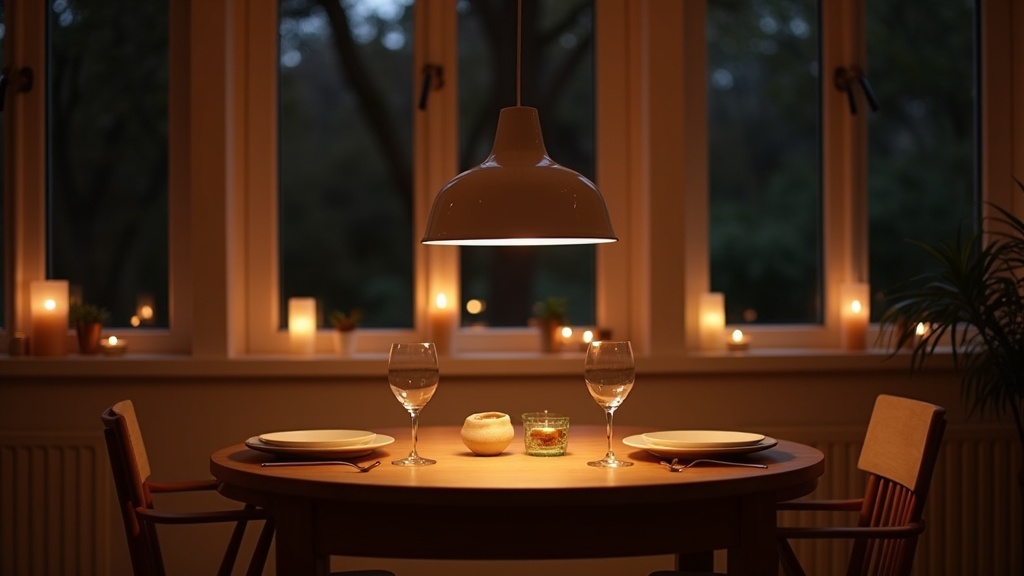
- Dining tables where the quality of the light affects the quality of the meal
- Bedrooms, where the transition toward sleep matters
- Bathrooms used for winding down (a separate task light handles makeup and grooming)
- Hallways and entryways, where a welcoming first impression counts
Cool White Bulbs: Where They Work and Where They Fall Short
Cool white light has genuine strengths. It improves contrast, makes fine detail easier to see, and creates a sense of cleanliness and order. For focused work, it delivers.
But cool white light used in the wrong context is one of the most common reasons a well-designed room feels cold or sterile. A living room lit at 5000K looks like a showroom floor. A bedroom at 6500K makes sleep harder, not easier.
Where cool white earns its place
- Home offices and study areas where concentration matters
- Kitchens, specifically the task lighting above worktops
- Garages, utility rooms, and laundry spaces
- Bathroom mirror lighting for grooming and makeup
Where it consistently falls short
- Any room where you want to feel relaxed
- Spaces with warm materials like oak, terracotta, or linen (cool light flattens them)
- Evening hours, when the body is preparing for rest

What Happens to Your Eyes, Your Mood, and Your Sleep
The warm white vs cool white debate is not just aesthetic. It has a direct effect on the body.
Blue-rich cool white light, particularly above 4000K, suppresses melatonin production. Melatonin is the hormone that signals to your body that it is time to sleep. Exposure to cool white light in the two hours before bed can delay sleep onset and reduce sleep quality.
Warm white light, by contrast, has a much smaller effect on melatonin. It sits closer to the spectrum of firelight and sunset, signals the body that the day is winding down.
Eye comfort
For warm white or cool white for eye comfort, the answer depends on the task. Warm white reduces glare in relaxed settings. Cool white reduces eye strain during close-up work. The issue is not which is better for your eyes in absolute terms. It is about using each where it belongs.
Did you know?
A 2017 study published in the Journal of Clinical Sleep Medicine found that exposure to blue-enriched white light (above 4000K) in the evening significantly reduced both subjective sleepiness and melatonin levels compared to warm white light at the same lux level. The color temperature of your evening light is as relevant as the brightness.
Room-by-Room Guide: Which Color Temperature to Choose
Light placed right does more for a room than any renovation. Here is how to apply that thinking practically.
| Room | Recommended temperature | Why it works |
|---|---|---|
| Living room | 2700K, 3000K | Encourages relaxation, flatters natural materials and warm tones |
| Bedroom | 2700K or lower | Supports melatonin production and signals the body to wind down |
| Kitchen (ambient) | 3000K | Warm enough to feel welcoming, clear enough for general tasks |
| Kitchen (task/under-cabinet) | 4000K | High contrast for chopping, reading recipes, inspecting food |
| Home office | 4000K, 5000K | Supports alertness and reduces fatigue during focused work |
| Bathroom | 3000K (ambient) + 4000K (mirror) | Warm for comfort, cooler at the mirror for accurate grooming |
Mixing Warm and Cool Light: A Considered Approach
Most livable homes use both. The key is intentional layering, not accidental mixing.
In an open-plan kitchen-living space, for example, keep the ceiling ambient light at 3000K for the whole area. Add a cooler under-cabinet task light at 4000K that you switch on only when cooking. The warm ambient light stays on all evening. The task light goes off when you move to the sofa.
This is the lagom approach: not too much, not too little. Each light source has a clear purpose. None of them fight each other.
What to avoid
- Two overhead lights in the same room at very different temperatures (creates visual noise)
- Cool white in a bedroom, even as a reading lamp (use a warmer alternative with higher lumen output instead)
- Daylight bulbs (6500K) anywhere in the home except a dedicated work studio or utility space
One Simple Rule for Getting It Right Every Time
Here is the rule, and it holds across almost every situation: match the color temperature to the activity the room is designed for.
Rest and connection call for warm light. Focus and task work call for cooler light. If a room does both, layer: warm ambient, cooler task, on separate switches.
You do not need to memorize Kelvin numbers. You just need to ask one question before you buy: what will people be doing in this room, and how do I want them to feel?
The answer tells you everything.


