
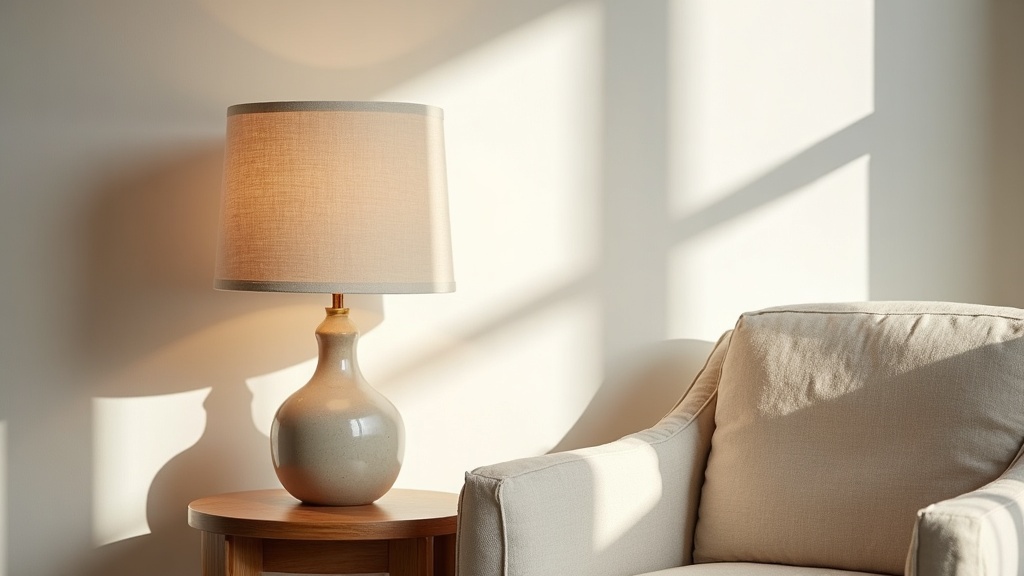
Most people spend an hour choosing a lamp base and thirty seconds choosing the shade. The fabric that wraps around the light, the one that shapes the entire mood of a room, gets almost no thought at all.
That is worth reversing. The shade is the part you actually see lit up. It is the part that colors your evenings, softens a corner, or makes a table feel complete. Getting the fabric right changes how a room feels every time you switch it on.
Key points at a glance
- Linen, silk, cotton, and velvet each produce a different quality of light and suit different rooms.
- Heat safety is not optional: fabric choice directly affects how safely your shade performs over time.
- A good lining fabric changes the color, warmth, and evenness of the light you see in the room.
- Natural fiber lampshades tend to age better and resist yellowing more than synthetic alternatives.
- Sourcing quality fabric, even for a DIY lampshade, is simpler than most people expect.
- The right fabric, cared for properly, will last ten years or more without losing its character.
What a great lampshade fabric gives you
Why Fabric Is the Most Overlooked Part of a Lamp
A lamp base is sculptural. You notice it on the shelf at the shop. The shade is subtler, and that subtlety is exactly why it matters more.
When the lamp is switched on, the shade is the source. Every quality of light in that corner, its warmth, its softness, how far it reaches, comes from the fabric. Choose poorly and the light feels harsh or flat. Choose well and the room settles into something calm.
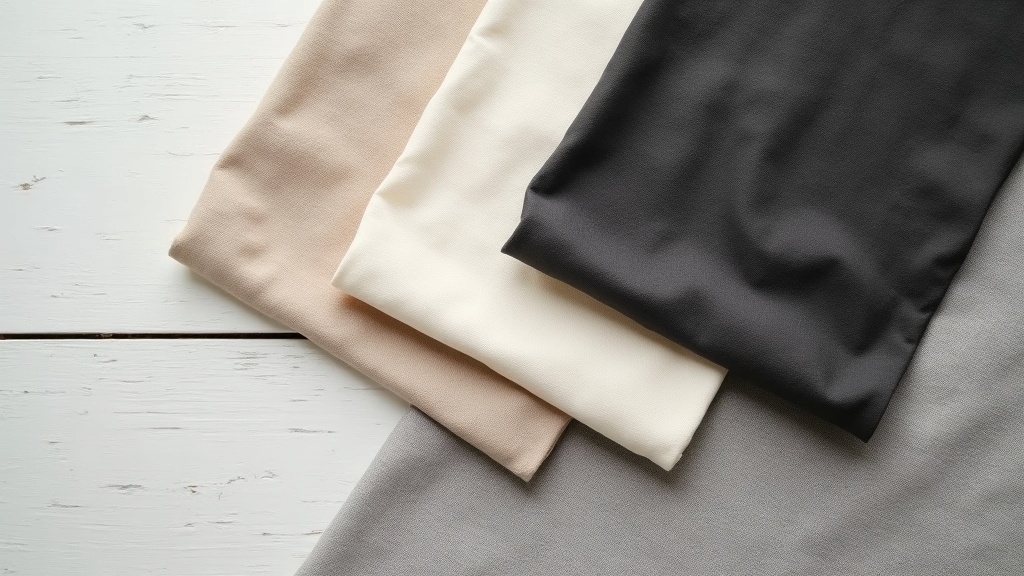
The Four Fabrics Worth Knowing: Linen, Silk, Cotton, and Velvet
Linen
Linen lampshade fabric is the most reliable all-rounder. It diffuses light evenly, resists heat well, and only improves with age. An undyed or stone-washed linen shade produces a warm, slightly golden light that works in almost any room.
Silk
Silk lampshade material is the classic choice for formal or layered interiors. It gives a luminous, almost glowing quality when lit. Dupioni silk adds subtle texture. Raw silk sits between linen and dupioni: quieter, more matte, still refined.
Cotton
Cotton is the most forgiving for DIY lampshade projects. It takes dye well, comes in hundreds of weights, and is easy to work with. Heavier cotton weaves, like canvas or duck, hold their shape better than lighter muslins.
Velvet
Velvet is the most dramatic option. Used on an outer shade with a pale lining, it produces a rich, concentrated pool of downward light. Better suited to table lamps than pendants, and to rooms where intimacy is the point.
Did you know?
Linen is naturally anti-static, which means it attracts significantly less dust than synthetic fabrics. Over the lifetime of a shade, this makes a real difference to maintenance, especially in rooms with fireplaces or in drier climates.
How Each Fabric Handles Heat (and Why It Matters More Than You Think)
Lampshade fabric heat safety is not just about fire risk. It is about how the fabric changes over time when it sits close to a bulb.
Synthetic fabrics, polyester especially, yellow and become brittle. Natural fibers age more gracefully. Linen and cotton handle moderate heat well. Silk tolerates heat but needs more distance from the bulb. Velvet should always be used with LED bulbs to keep temperatures low.
| Fabric | Heat tolerance | Best bulb type | Longevity |
|---|---|---|---|
| Linen | High | LED or low-watt incandescent | 10 to 15 years |
| Silk | Moderate | LED strongly recommended | 8 to 12 years with care |
| Cotton | High | LED or low-watt incandescent | 8 to 12 years |
| Velvet | Low to moderate | LED only | 6 to 10 years |
| Polyester (synthetic) | Low | LED only | 3 to 5 years before yellowing |
What the Light Through the Shade Actually Looks Like
A tightly woven linen diffuses the bulb almost completely. The shade glows, warm and even, with no hot spot visible. This is the quality most people are looking for without knowing how to ask for it.
Silk concentrates light and makes it luminous. You see more of the bulb's shape through it. This adds a certain theatre to a room, which can be exactly right or slightly too much, depending on the space.
Velvet does the opposite. It absorbs almost all outward light and pushes it downward through the open base of the shade. The effect is focused and intimate. A reading lamp, a bedside table, a drinks tray: these are the right contexts.
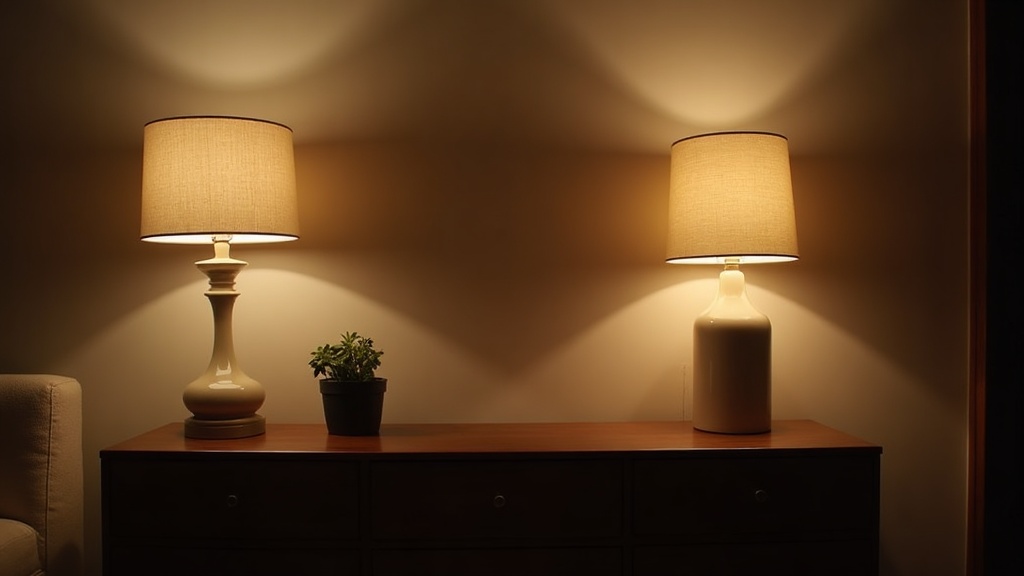
Lining Fabrics: The Hidden Layer That Changes Everything
Lampshade lining fabric is what the light actually passes through first. Most people never think about it. It shapes the color temperature of the light more than the outer fabric does.
- White lining: clean, neutral, slightly cooler light. Works well with silk outer fabrics.
- Cream or ivory lining: the most common choice. Adds warmth without shifting the color significantly.
- Gold or copper lining: produces a noticeably amber, firelight quality. Pairs very well with linen outers in a living room or bedroom.
- Stiffened cotton or styrene: used for structure rather than color. Often used in DIY lampshade projects as the base layer before the decorative fabric is applied.
A pale outer fabric with a copper lining will feel completely different from the same fabric with a white lining. The lining is where you fine-tune the mood of the light.
Did you know?
Traditional English lampshade makers lined their shades with gold-painted fabric to reproduce the warmth of candlelight in electric interiors. The practice dates to the early 1900s and is still used by specialist shade makers today.
How to Choose Based on Your Room, Not Just Your Taste
A bedroom wants warmth and softness. Linen with an ivory or copper lining is almost always the right answer. It calms the room without making it feel dim.
A living room depends on how much natural light it gets. In a north-facing room with little sun, a slightly translucent linen or raw silk will lift the space after dark. In a bright, south-facing room, velvet can add the richness that daylight sometimes strips away.
A home office or kitchen needs clarity. A white-lined cotton or linen shade keeps the light functional and clean, without the warmth that works against focus.
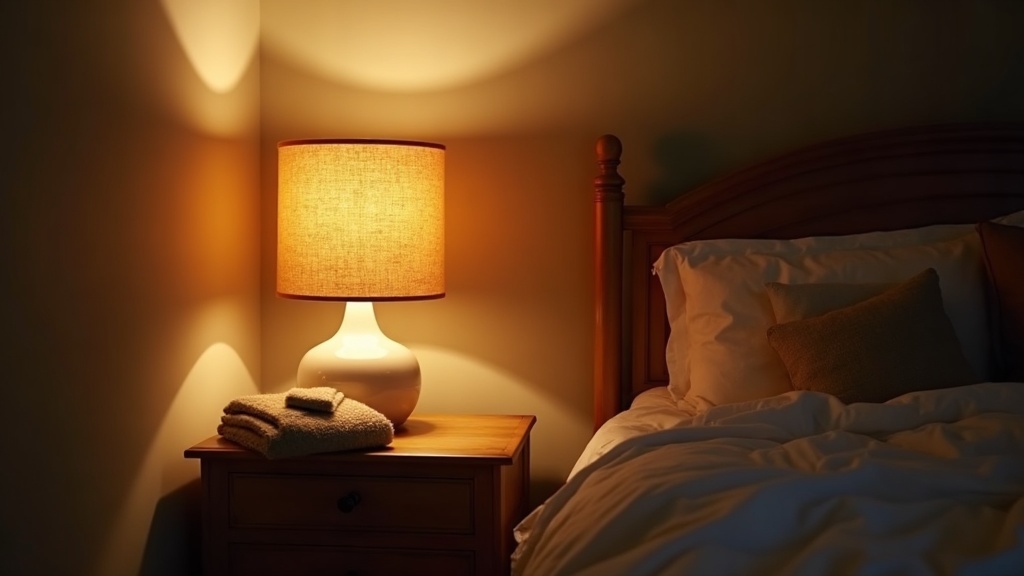
What Makes a Lampshade Fabric Last Ten Years or More
Longevity comes down to three things: fiber quality, construction, and care. Durable lampshade materials share a few traits: tight, even weave; natural or blended natural fibers; and a weight suited to the shade's size.
- Avoid loosely woven fabrics on large shades: they sag and distort over time.
- Dust regularly with a soft brush or a low-suction vacuum on the lowest setting.
- Keep the shade away from direct sunlight to prevent uneven fading.
- Use LED bulbs in every lamp with a fabric shade. The lower heat output extends the fabric's life significantly.
Natural fiber lampshades typically age better than synthetic ones because they breathe, move slightly with humidity, and do not hold heat the same way. A well-made linen shade at fifteen years often looks more characterful than a polyester one at five.
Where to Source Quality Lampshade Fabric (Including DIY Options)
For ready-made shades, specialist lamp makers in the UK and Scandinavia tend to use better fabric than mass-market retailers. Look for shades where the lining material is described alongside the outer fabric. That detail alone separates the careful makers from the careless ones.
For DIY lampshade fabric, fabric suppliers that cater to upholstery and interiors are a better source than generic craft shops. Look for furnishing-weight linen, dupioni silk sold by the half-meter, and stiffened cotton or pressure-sensitive styrene for lining and structure.
- Furnishing linen at 200 to 300 gsm is the most versatile starting point for DIY shades.
- Silk dupioni needs careful handling but is available from specialist fabric suppliers online.
- Pressure-sensitive styrene lining is the standard DIY base material: it bonds to fabric without glue mess and holds a clean edge.
Buy a little more than you need. A 20-centimeter allowance on every side lets you work without pressure, and the offcuts are useful for testing how the fabric looks lit up before committing to the full shade.


