
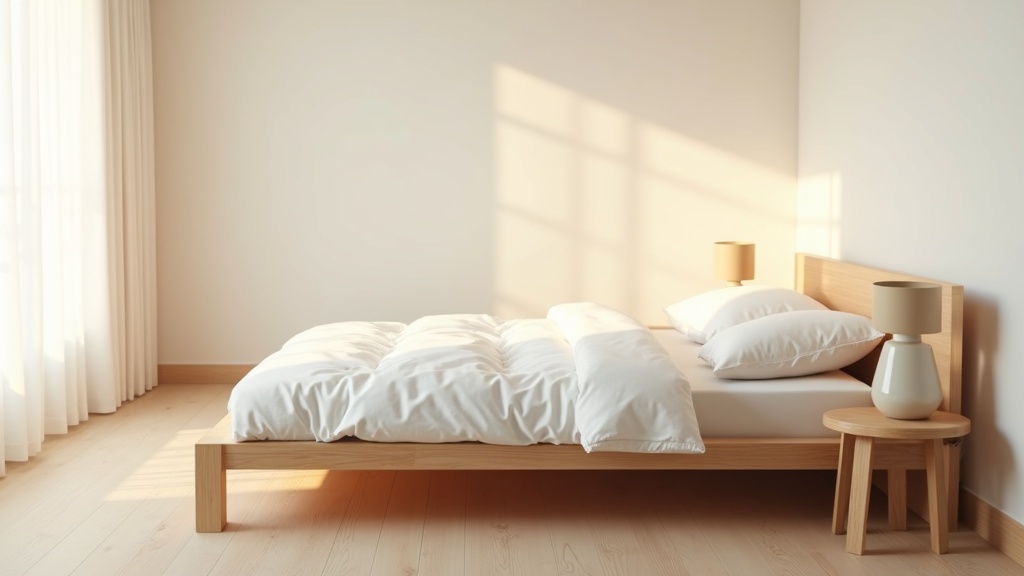
A minimalist bedroom does not look empty. It feels settled. There is a difference, and it matters more than most people realize before they experience it firsthand.
This guide is for adults who want a room that actually rests them, not a showroom concept or a Pinterest mood board. Practical, specific, rooted in the Nordic idea of lagom: not too much, not too little. Just enough, done well.
Key points at a glance
- Minimalist design for adults is about how a room feels, not just what it contains.
- A warm, neutral palette and layered natural light do more than any statement piece.
- Every piece of furniture should earn its place, visually and functionally.
- Small rooms benefit most from minimalist principles applied with precision.
- The most common mistakes are about holding on, not about buying the wrong things.
- A calm, minimal bedroom is achievable on a real budget with clear priorities.
What this guide gives you
What a minimalist adult bedroom actually feels like
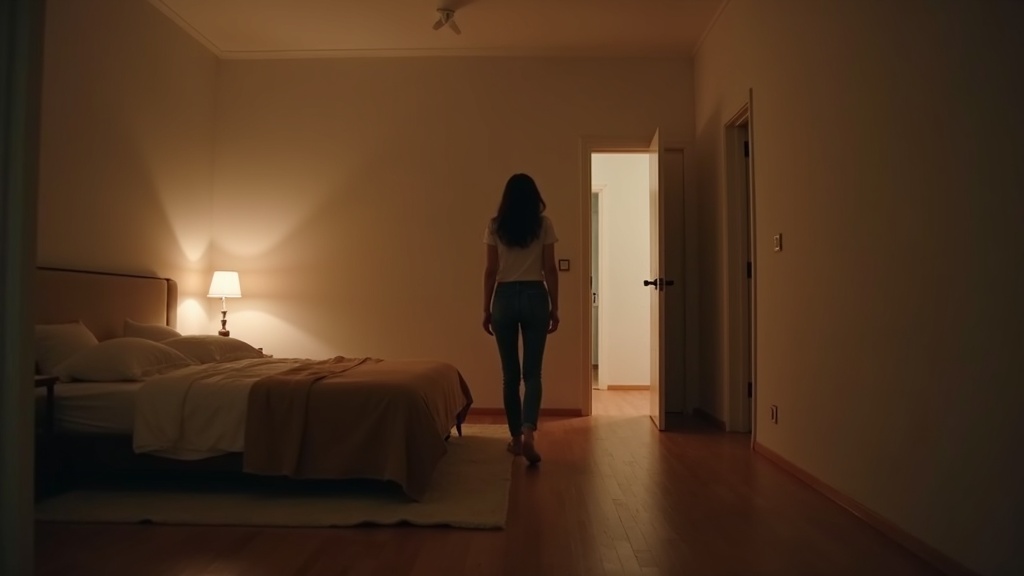
You walk in and your shoulders drop. Not because it is bare or austere, but because there is nothing fighting for your attention. The room is not performing. It simply is.
That quality, that quiet, is the real goal of minimalist bedroom design for adults. It is not a style choice. It is a decision about how you want to feel when the day is over.
The core principles: what belongs, what goes
The bed belongs. Adequate storage belongs. One or two objects that bring you real pleasure belong. Everything else is a question.
A useful test: if an item left the room, would you notice it was gone after three days? If the honest answer is no, it probably should leave.
What tends to stay
- The bed, dressed simply in two or three tones
- One bedside surface per person, clean and functional
- A single piece of art or a mirror, not both
- Concealed storage: wardrobe with doors, under-bed drawers
What tends to go
- The chair that holds clothes but never gets used as a chair
- Decorative objects kept from obligation, not love
- Visible cables and charging clusters
- Extra cushions that come off the bed every night without exception
Color, light, and the art of just enough
Warm whites, soft greys, greige, natural linen tones. These are the foundation of the calm bedroom aesthetic because they recede. They let light do the work.
Good lighting does not announce itself. It settles into the room and changes how it feels. A single warm-toned lamp at 2700K on the bedside table will do more for the atmosphere than an overhead fixture ever could.
Did you know?
Research from the Lighting Research Center shows that warm light at 2700K in the evening reduces cortisol levels more effectively than cool white light (5000K), making it measurably easier to transition into sleep. Light color temperature is not just a design preference: it has a direct physiological effect.
For Scandinavian bedroom design, the approach to daylight is equally intentional. Sheer linen curtains rather than blackout blinds in the morning. The goal is diffused light, not blocked light. Shadows are not a problem. They give a room depth.
Furniture that works harder by doing less
In a simple minimalist bedroom design, each piece of furniture should justify the visual space it occupies. That means choosing items with clean lines, low profiles, and preferably built-in or hidden storage.
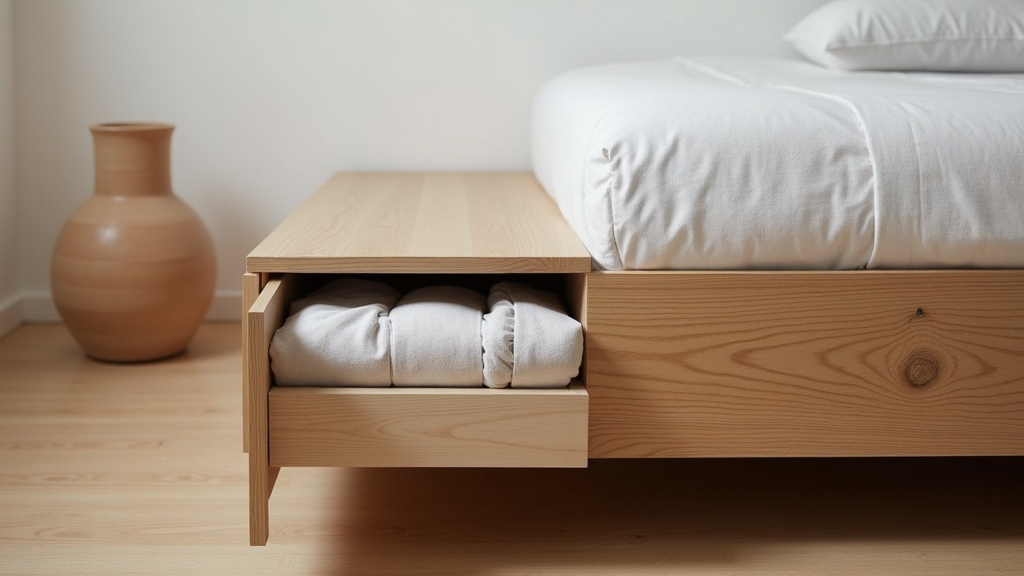
The best pieces are the ones you stop noticing because they simply belong. A floating shelf anchored at the right height. A wardrobe that meets the ceiling. A bench that is also storage. Multifunctional is not a compromise: it is the point.
| Furniture piece | Minimalist version | What it replaces |
|---|---|---|
| Bed frame | Low platform with under-drawer | Bedside drawer unit, extra storage ottoman |
| Wardrobe | Floor-to-ceiling with flush doors | Open rail, dresser, visible shelving |
| Bedside surface | Wall-mounted floating shelf | Bulky bedside table with legs |
| Seating | Storage bench at foot of bed | Armchair, blanket rack, clothes chair |
| Lighting | Wall-mounted or pendant lamp per side | Table lamp (saves bedside space entirely) |
Texture and warmth without the clutter
A stripped room can feel cold. The answer is not more objects. It is better materials.
Linen bedding. A single wool throw folded once at the foot of the bed. A small natural fiber rug underfoot on a bare wooden floor. These layers create warmth that you feel before you consciously register it.
Stick to two or three material families: wood, linen, wool or cotton, possibly ceramic or stone for one small accent. Mixing too many materials is as visually noisy as mixing too many colors.
Did you know?
Washed linen fabric can regulate body temperature more effectively than cotton because of its hollow fiber structure, which wicks moisture and releases it quickly. This is why linen bedding appears consistently in both Scandinavian and Japanese minimalist bedroom traditions: it is not just aesthetic, it is genuinely functional.
Minimalist bedroom design for small rooms
Small rooms are where these principles matter most. Every decision has a visible consequence.
For minimalist bedroom ideas for small rooms, the floor is the first priority. The more floor you can see, the larger the room reads. A low bed, wall-mounted lighting, and floating shelves all serve this goal.
- Go vertical: floor-to-ceiling storage uses height instead of floor space
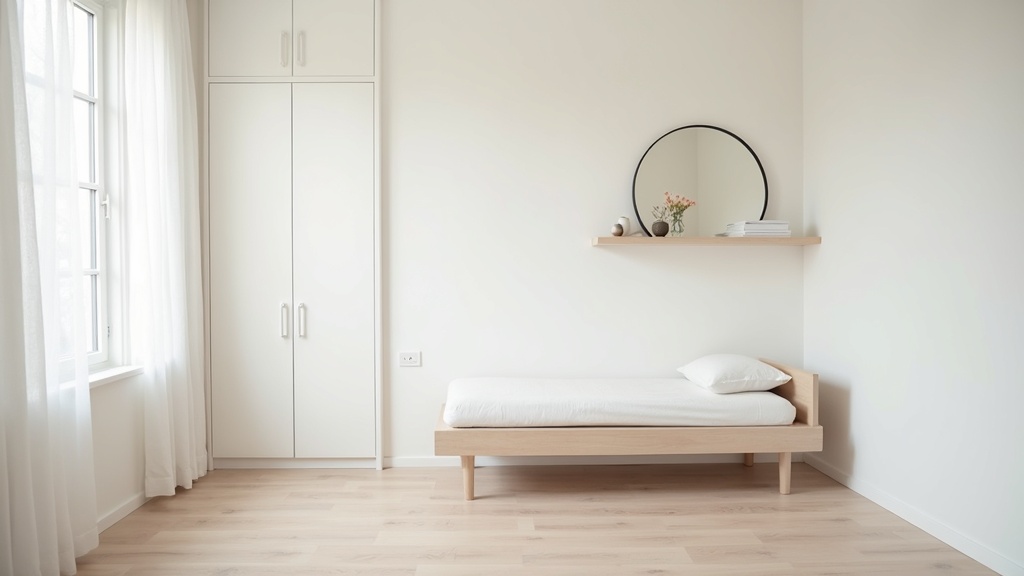
- Use one mirror: placed to reflect natural light, not just as decor
- Match the wall color: painting built-ins the same tone as walls makes them disappear visually
- Keep the palette tight: two neutrals maximum, one warm accent
Common minimalist bedroom mistakes (and how to fix them)
Most mistakes in minimalist bedroom design are not about buying the wrong things. They are about not letting go of the right ones.
Mistake 1: Cold without warmth
White walls, white bedding, no texture. The fix is one warm layer: a linen throw, a jute rug, a wooden lamp base. One is enough.
Mistake 2: Hidden clutter, visible chaos
Drawers and wardrobes packed to capacity defeat the purpose. The room looks calm, but you feel the chaos every time you open a door. Edit the inside too.
Mistake 3: Too many statement pieces
One focal point works. Two compete. Three are decoration, not design. Choose one: a piece of art, a striking lamp, or a distinctive headboard. Not all three.
Mistake 4: Overhead lighting only
A single overhead light flattens a room completely. It removes shadow, which removes depth. Even one bedside lamp at low height changes everything.
Mistake 5: Decorating before editing
Buying new pieces before removing existing ones keeps the room full. Always subtract first. Then, if something is genuinely missing, add one thing at a time.
How to get there on a reasonable budget
A minimalist bedroom on a budget starts with what you already have. The most impactful first step costs nothing: remove half of what is in the room for one week and notice how it feels.
After that, prioritize in this order:
- Bedding first: good linen or washed cotton in a calm neutral makes an immediate difference and costs less than a piece of furniture
- Lighting second: a warm bedside lamp under £40 does more for the room atmosphere than any renovation
- Storage third: one affordable floor-to-ceiling unit from IKEA, painted to match the wall, resolves most clutter problems
- Flooring last: a secondhand or budget natural fiber rug grounds the whole room
Resist buying decorative items. If the fundamentals are right, the room will not need them.
What comes after minimalism: where the style is headed in 2026
The modern minimalist bedroom design for adults in 2026 is warmer and more tactile than its predecessors. The cold, clinical version of minimalism, grey floors, white walls, zero softness, is giving way to something more livable.
Expect more natural materials: raw linen, unfinished oak, hand-thrown ceramics. Warmer neutrals: terracotta, dusty sage, warm sand. And a return to craft, visible joinery, handmade objects kept because they mean something.
The principle stays the same. The expression becomes more human. Less gallery, more home.
Your starting point: three actions for this week
You do not need a full redesign. You need a direction. Start here:
- Remove one category entirely: all the decorative objects on surfaces, all the extra cushions, or the chair that holds clothes. Just one category, this week.
- Change your light source for the evening: switch to a single warm bedside lamp after 9pm. Use it for three evenings and observe how the room feels.
- Choose your one focal point: decide now whether it is the bed, a piece of art, or the window. Everything else in the room should support that choice quietly, without competing.
These three steps cost nothing. They will change the room more than any purchase could.


