
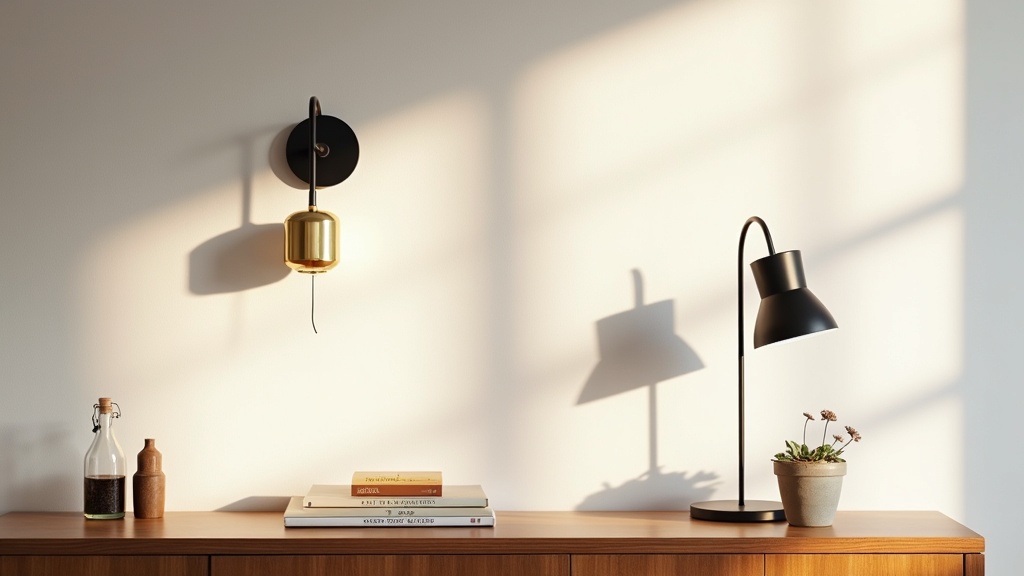
There is a moment in every room where something feels slightly off, but you cannot name it. Often it is the metals. Too many competing for attention, or too few, leaving the space cold and flat. Mixing metal finishes in lamps and fixtures is not a design risk. It is a design skill, and a quiet one at that.
The rooms that feel most alive are rarely matchy. They have layers. A burnished brass floor lamp near a window, a matte black pendant over the table, a chrome faucet catching light in the hall. The metals do not clash. They converse.
Key points at a glance
- Choose one primary metal finish and let it anchor the room. Everything else supports it.
- Warm metals (brass, gold, copper) and cool metals (chrome, nickel, gunmetal) can coexist when balanced with undertone awareness.
- The 70/20/10 rule gives you a simple, reliable framework for any space.
- Brass and matte black is one of the most versatile pairings in current interior lighting design.
- Common mistakes are easy to sidestep once you know what to look for.
- Each room has its own logic: bathroom, living room, and kitchen each call for a slightly different approach.
What this guide gives you
Why Mixed Metals Feel Right (When Done With Intention)
A room where every metal matches feels like a catalog page. Coordinated, yes. But lifeless. Intentional mixing creates the kind of layered warmth that a space needs to feel genuinely inhabited.
Think of it like getting dressed. You do not wear one colour head to toe. You layer textures, tones, weights. Metals in a room work the same way. The contrast is what gives each piece its presence.
The One Rule That Actually Matters: Pick a Primary Finish
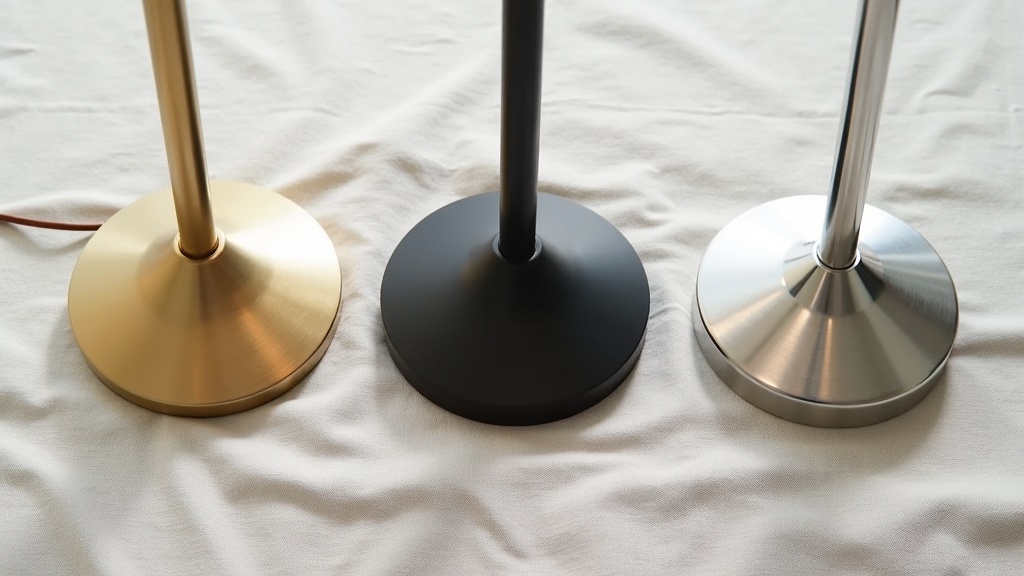
Every well-mixed room has a dominant metal. One finish that appears most often, in the largest or most visible fixtures. It becomes the anchor. Everything else orbits it.
Without a primary finish, you get chaos. With it, you get composition. Choose yours first, then let the secondary and accent metals follow naturally.
- Primary finish: Your main pendant, your statement floor lamp, your most-used switch plate or tap
- Secondary finish: A complementary metal in smaller fixtures or hardware
- Accent finish: A single unexpected note, used sparingly
Which Metals Pair Well Together in Lamps and Fixtures
Some combinations have a natural affinity. Others fight. Here is a practical view of the pairings worth knowing.
| Primary Metal | Works Well With | Best Room |
|---|---|---|
| Brushed Brass | Matte black, warm bronze, aged copper | Living room, bedroom, dining room |
| Matte Black | Brass, unlacquered brass, brushed nickel | Kitchen, bathroom, home office |
| Brushed Nickel | Chrome, gunmetal, soft brass | Bathroom, kitchen |
| Polished Chrome | Brushed nickel, gunmetal, matte black | Bathroom, modern kitchen |
| Aged Bronze | Brass, dark copper, warm iron | Study, hallway, traditional spaces |
Room by Room: How to Mix Metal Finishes Without Overthinking It
Living room lighting
Mixing metals in living room lighting is forgiving because the scale is generous. You have room for a brass floor lamp, a matte black pendant, and a small chrome side table lamp without any of them feeling crowded.
Anchor with brass if your room leans warm: wood floors, linen, terracotta. Use matte black as the secondary for contrast. Let it appear in the lamp shade rim or a picture light, not everywhere.
Bathroom fixtures
Mixing chrome and brass in the bathroom is a combination that earns its place. Chrome reads clean and precise. Brass adds warmth. Together they prevent the bathroom from feeling either clinical or fussy.
Keep your tap in one finish and your mirror light in the other. That two-step approach is enough. You do not need more variation in a small space.
Kitchen
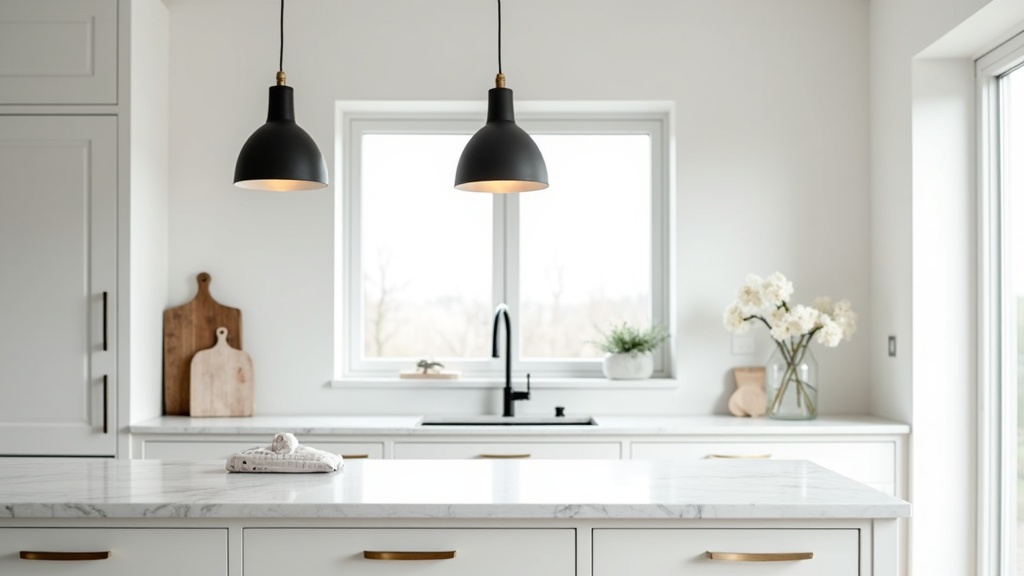
Pendants and cabinet hardware are your two reference points in the kitchen. They do not need to match exactly, but they should share an undertone. Warm brass pendants with warm bronze hardware. Cool matte black pendants with brushed stainless hardware.
The Role of Undertones: Warm vs. Cool Metals
Every metal finish has an undertone. Ignore this and your mixed metals will feel restless, even if you cannot say why.
- Warm metals: Brass, gold, copper, aged bronze, unlacquered brass
- Cool metals: Chrome, polished nickel, gunmetal, stainless steel
- Neutral metals: Brushed nickel, pewter, dark iron (these bridge warm and cool)
You can mix warm and cool metals. Many beautiful rooms do. The key is that your primary finish sets the temperature of the room, and your accent metals respect it rather than contradict it.
Did you know?
Brass has been used in architectural fixtures for over 4,000 years. Its natural antimicrobial properties made it a practical choice long before it became a design one. Today, unlacquered brass is chosen precisely because it changes over time, developing a patina that makes each piece singular.
Common Mistakes and How to Sidestep Them
Using too many finishes. Three is usually the maximum. Four metals in one room rarely finds equilibrium. More than that and the eye has nowhere to rest.
Mixing finishes within the same fixture type. If your pendants are brass, keep all pendants brass. The variation should come from different fixture types, not from one pendant in brass and the next in chrome.
Ignoring scale. A large brass chandelier and a tiny brass sconce do not automatically connect. Size and proportion matter as much as finish.
A Simple Framework: The 70/20/10 Approach for Metal Finishes
This is the proportion that consistently works. It comes from colour theory, but it translates directly to mixed metal finishes in interior design.
- 70% of your metal moments in a room: primary finish (your anchor)
- 20% secondary finish (your complement)
- 10% accent finish (your unexpected detail)
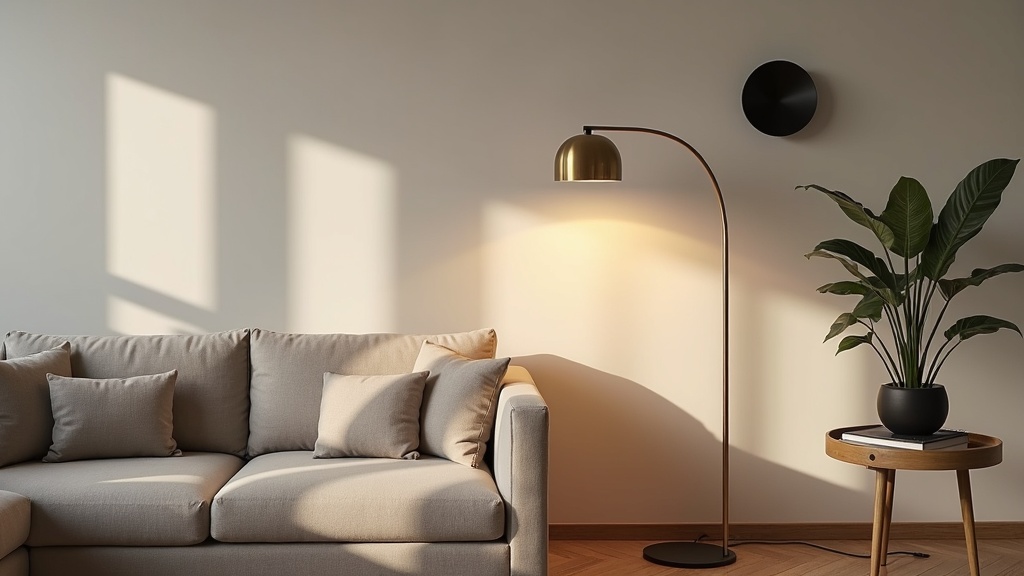
In practice: brass as your primary finish in pendants and floor lamp. Matte black as secondary in a couple of switch plates and a smaller table lamp. A single touch of aged bronze in a decorative object or a picture frame. That is enough. That is lagom.
Did you know?
Matte black fixtures have seen a consistent rise in specification since 2015, with interior design search data showing it as one of the most searched lighting finishes globally. Part of its appeal is neutrality: matte black reads as warm or cool depending on what surrounds it, making it one of the most adaptable secondary metals available.
Your Starting Point: A Practical Checklist
Before you buy another fixture, take five minutes with this list. It will save you from a purchase you regret.
- Identify the dominant metal already present in your room (flooring hardware, existing fixtures, door handles)
- Decide whether you want to reinforce that finish or shift away from it
- Choose your primary finish for lighting and stick to it for all major fixtures
- Pick one secondary finish, warm or cool, that shares or deliberately contrasts the undertone of your primary
- Limit your accent metal to one or two small-scale moments
- Check that your chosen metals appear in at least two places in the room each, never just one isolated instance
Good lighting does not announce itself. It settles into the room and changes how it feels. The metals you choose for your lamps and fixtures are part of that quiet work. Choose them with the same calm attention you give everything else in a space you care about.


