
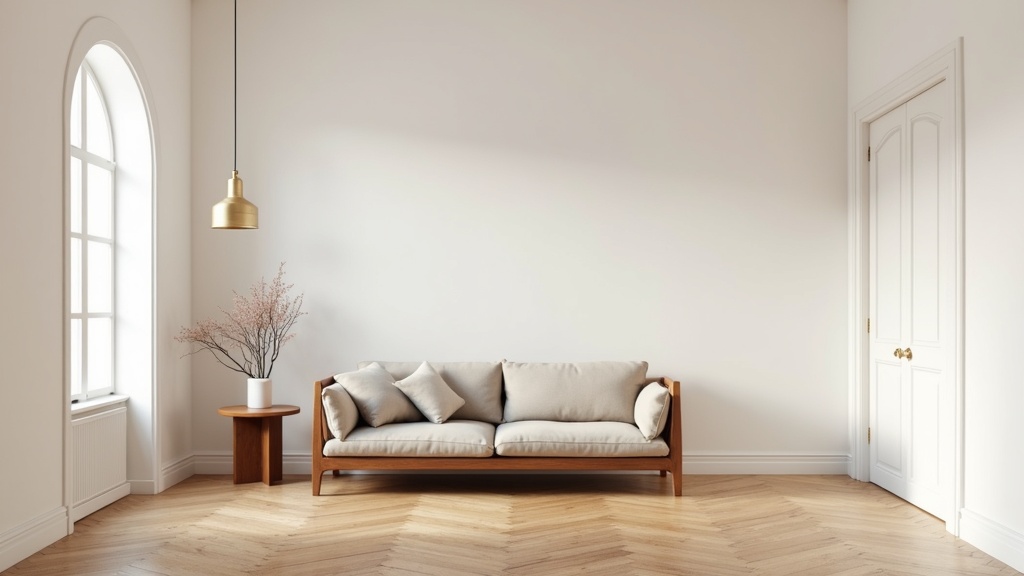
A room that feels both timeless and current is not an accident. It is the result of choices made with restraint, patience, and a clear sense of what matters.
The modern traditional home design blend is one of the most livable approaches to interior design today. Not because it is trendy, but because it holds tension without forcing it. Done well, it feels like a home that has always been there.
Key points at a glance
- A successful blend starts with the bones: architecture and materials, not accessories.
- Furniture proportion matters more than style label. Scale unifies what era cannot.
- Light is the most powerful bridging tool in any blended interior.
- Texture and a restrained color palette do the quiet work of visual harmony.
- The exterior needs the same intentional balance as the interior.
- Lagom thinking, knowing when to stop, prevents a curated room from becoming a cluttered one.
Why this approach works
What Makes a Modern Traditional Blend Work (and What Makes It Fall Apart)
The blend works when there is a shared visual language underneath the differences. A clean-lined sofa and an ornate console can coexist if they share the same wood tone, the same height, the same sense of weight.
It falls apart when the room tries to tell two stories at once without a common thread. Too much modern makes it cold. Too much traditional makes it heavy. Neither extreme serves the way you actually live.
The safest anchor is always materiality. Wood, stone, linen, and plaster have no era. They simply are.
Start With the Bones: Walls, Floors, and Architecture
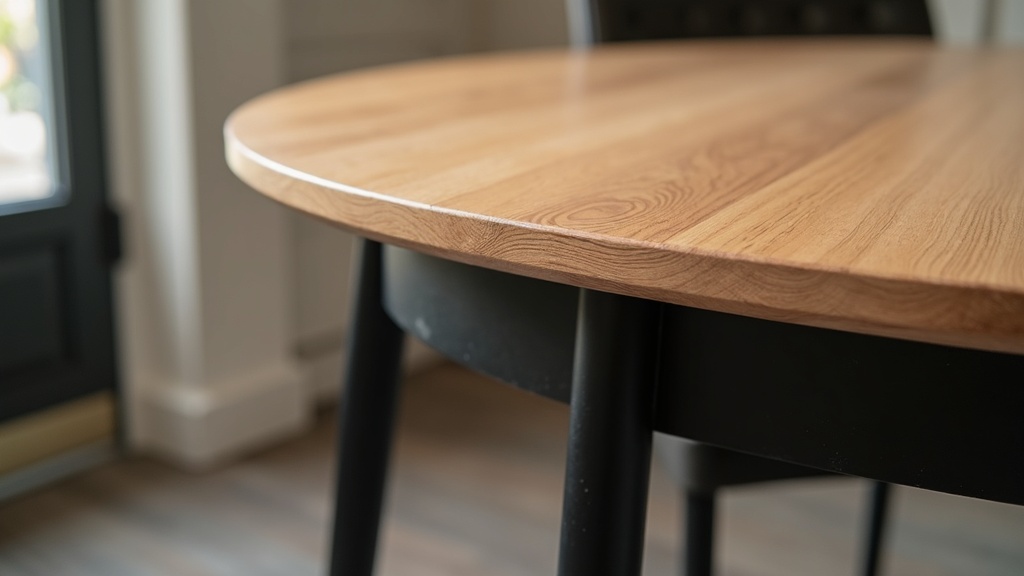
Before you move a single piece of furniture, look at what the room already has. Crown molding, ceiling roses, arched doorways, wide oak boards: these are gifts. Work with them, not around them.
Walls should be quiet. A warm white or a soft stone tone gives both modern and traditional elements room to breathe. Avoid stark, cold whites in a home with traditional detailing. The contrast will feel harsh rather than crisp.
Floors as a unifying foundation
- Wide plank oak or walnut works in almost every blended interior.
- Herringbone or chevron parquet adds classical rhythm without heaviness.
- Polished concrete suits a more minimal blend, especially in open-plan spaces.
- Area rugs are where you can introduce pattern without committing the whole floor.
Did you know?
Wide plank flooring with boards over 150mm was historically reserved for the grandest rooms because wide timber was expensive. Today, engineered wide-plank oak is dimensionally stable and less prone to movement than solid timber, making it a practical first choice for modern traditional interiors.
Furniture That Holds Both Worlds
The transitional interior design style lives and dies by furniture choices. A piece does not need to be new to feel right. It needs to fit.
Proportion is the most underestimated factor. A low, streamlined sofa next to a tall Victorian bookcase will always feel mismatched. But that same sofa beside a mid-height antique cabinet with clean lines? That is a conversation.
The mid century modern traditional blend
Mid century pieces are particularly useful here. Their lines are clean enough to feel contemporary, but their warmth and craft quality give them a traditional soul. A 1960s credenza in walnut sits comfortably in a room with plaster cornices. A Shaker-style chair works beside a marble-topped console.
| Furniture type | Works well in a blend when... | Avoid if... |
|---|---|---|
| Antique side table | Slim legs, simple silhouette, natural finish | Heavy carved ornament dominates the piece |
| Contemporary sofa | Neutral linen or bouclé, low profile, visible legs | Extremely minimal, no texture, cold metal frame |
| Mid century credenza | Warm wood tone matches floor or other pieces | Clashing era of hardware (chrome vs. aged brass) |
| Traditional wingback chair | Reupholstered in a plain, contemporary fabric | Original busy fabric that fights the room |
| Sculptural modern coffee table | Stone, travertine, or solid wood, single material | Highly industrial, raw steel or reflective glass only |
How Light Ties a Blended Space Together
Good lighting does not announce itself. It settles into the room and changes how everything feels.
In a modern traditional interior, layered lighting is essential. A single overhead source flattens the room and erases depth. Combine ambient, task, and accent sources. Let some corners stay warm and dim.
Fixture choices matter
- Aged brass or unlacquered brass fittings bridge old and new hardware finishes naturally.
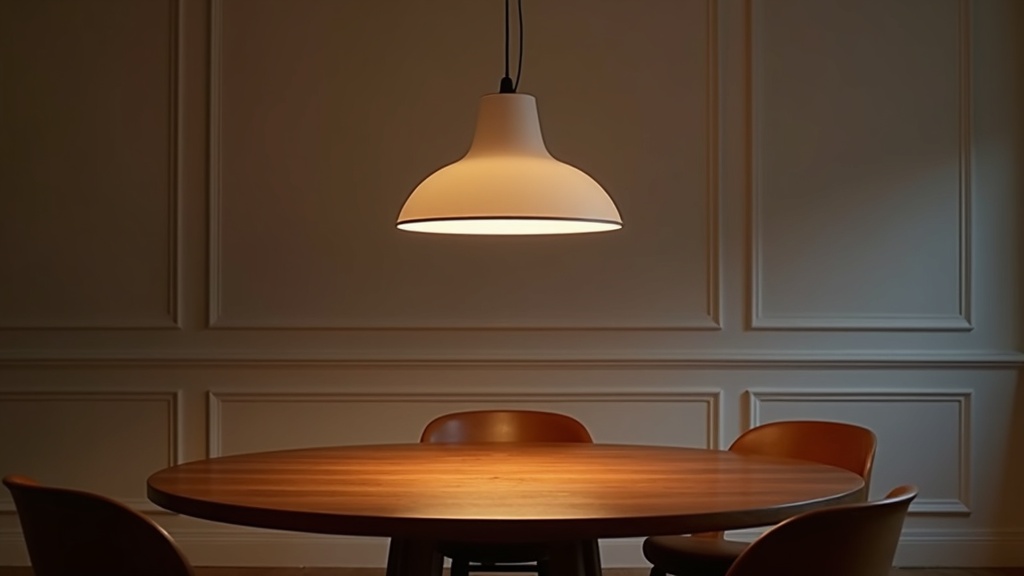
- A sculptural modern pendant over a traditional dining table is one of the most reliable moves in blending old and new home decor.
- Table lamps with ceramic or turned wooden bases add tactile warmth.
- Recessed lighting should be minimal and warm-toned, 2700K to 3000K.
Color and Texture: The Quiet Language of Balance
Modern traditional home decor does not rely on bold color. It relies on depth. The difference between a flat room and a rich one is usually texture, not hue.
Build your palette around three tones: a warm neutral base, one deeper grounding shade, and one accent that threads through textiles and small objects. That is usually enough.
Textures that bridge eras
- Linen: completely at home in both worlds.
- Bouclé: contemporary in profile, soft and inviting in feel.
- Wool plaid: inherently traditional, but use it sparingly as a throw or cushion.
- Marble: historically classical, now firmly part of modern design language.
- Raw plaster or limewash: connects to old building craft while reading as modern.
Did you know?
Limewash paint has been used on European walls for over two thousand years. Its irregular, slightly translucent finish is now one of the most searched interior paint styles globally, because it adds the depth and age that flat emulsion simply cannot replicate.
Decorative Details That Bridge the Gap
Details are where most people either win or lose the blend. The instinct is to fill. The better instinct is to edit.
Choose objects that have a relationship to each other in material or tone, even if they come from different eras. A Roman-style pottery vase beside a clean architectural book. A botanical print in a thin black frame. An antique wooden bowl on a concrete shelf.
The best pieces are the ones you stop noticing, because they simply belong.
Exterior Considerations: Curb Appeal Without Conflict
The modern traditional home exterior needs the same thinking as the interior. The conversation between old and new should read clearly from the street.
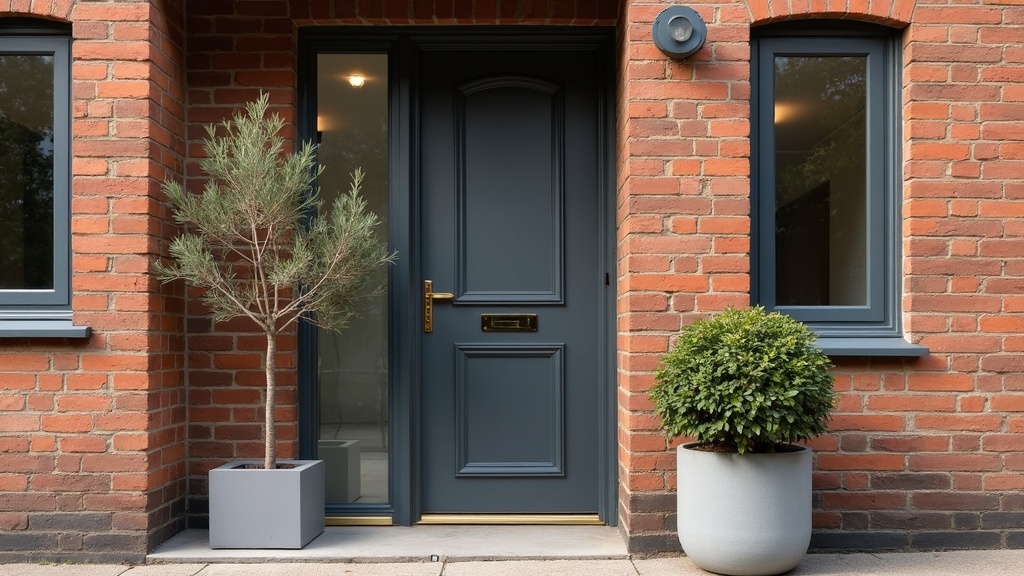
If the house has traditional architecture, classical proportions, sash windows, or brick detailing, honor that. Add modern elements through material choices rather than structural changes. A matte black front door on a Victorian terrace. Corten steel planters flanking a Georgian entrance. A concrete path through a clipped formal hedge.
What to keep, what to modernize
- Keep original window proportions wherever possible. Replacing with oversized glazing rarely works on a traditional facade.
- Modernize lighting fixtures and hardware. These are visible from the street and signal intention.
- Landscaping is design. Simple, structured planting complements both styles.
- Paint color on the exterior should connect to your interior palette for a coherent home.
The Lagom Principle Applied: Knowing When to Stop
Lagom: not too much, not too little. Just enough, done well. It is the Swedish concept that keeps a blended interior from tipping into chaos.
When you mix modern and traditional furniture, every new piece must earn its place. Ask whether it adds something the room does not already have, whether in texture, function, or warmth. If the answer is no, the room does not need it.
A room with thirty well-chosen objects tells a clearer story than one with three hundred. Restraint is not a limitation. It is the design decision that makes everything else visible.
A practical checklist before you finish a room
- Stand at the doorway. Does the room feel settled, or busy?
- Is there one surface that could be cleared completely?
- Do the light sources create warmth at eye level, not just overhead?
- Does every material in the room appear at least twice, somewhere?
- Would removing one piece make the room feel better? If yes, remove it.


