
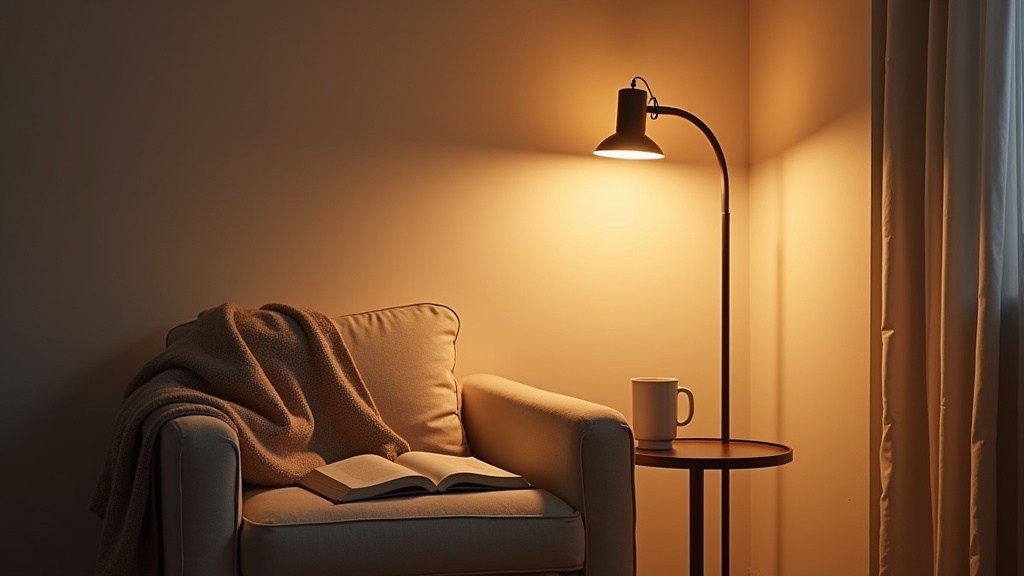
There is a corner in most bedrooms that never quite works. A chair sits in it. Sometimes a plant. The overhead light reaches it awkwardly, and the room never feels finished. The problem is almost always the lamp.
Getting reading lamps for bedroom corners that feel right is less about finding the most beautiful fixture and more about understanding what that specific corner actually needs. Light, angle, height, warmth. When those align, the room changes in a way that surprises you.
Key points at a glance
- Most corner lamps fail because of wrong height or too-cool light temperature, not bad design.
- Floor lamps work best in open corners; table lamps suit tighter spots with a surface nearby.
- For reading, aim for 2700K to 3000K bulbs placed at shoulder height or just above.
- A lamp that feels right disappears into the room. You notice the mood, not the object.
- Cordless and rechargeable options now solve the no-outlet problem without hiding wires under rugs.
- Small details (shade material, bulb shape, base weight) change the feel more than the price tag.
What this guide gives you
Why Most Bedroom Corner Lamps Get It Wrong
The most common mistake is buying a lamp for how it looks on a product page. That lamp often arrives, gets placed in the corner, and produces a bright, slightly cold wash of light that makes the room feel like a hotel corridor.
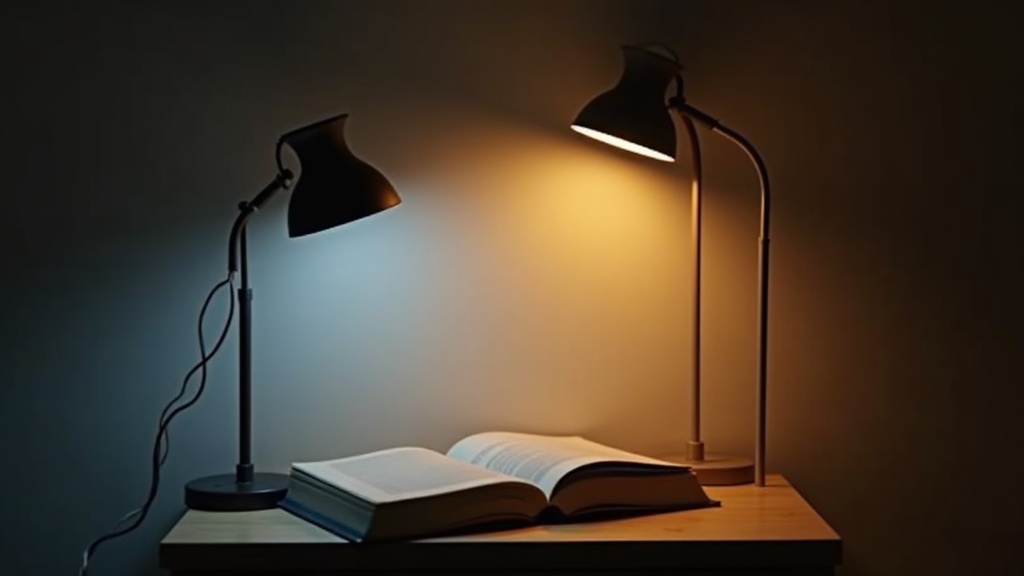
Two things go wrong most often. First, light temperature: anything above 3500K reads as clinical in a bedroom, even if the shade is warm-toned linen. Second, position: a floor lamp placed directly behind a reading chair throws light onto the back of your neck, not your page.
Good lighting doesn't announce itself. It settles into the room and changes how it feels. That only happens when the light source is placed at the right angle, the right height, and with the right warmth.
Floor Lamp or Table Lamp: How to Choose for Your Corner
This depends almost entirely on how much floor space the corner has and whether there is a surface nearby.
Floor reading lamps for bedroom corners
Floor lamps work best when the corner has at least 50 cm of clearance and no furniture crowding the base. An arc lamp that reaches over the chair is the most functional shape: the light source ends up in front of you and slightly above, which is exactly where you want it for reading.
Table reading lamps for bedroom corners
Table lamps belong on a side table, a stacked set of books, or a low shelf positioned beside the chair. They suit tighter corners. A swing-arm or adjustable neck lets you direct light precisely without repositioning the whole lamp.
| Lamp type | Best corner size | Ideal setup | Watch out for |
|---|---|---|---|
| Arc floor lamp | Medium to large | Armchair, no side table needed | Heavy base required for stability |
| Straight floor lamp | Any size | Beside a chair or bookshelf | Light lands behind, not over you |
| Table lamp (adjustable) | Small to medium | Side table or shelf at arm height | Needs a surface; can clutter it |
| Clip or clamp lamp | Tiny corners | Clipped to shelf edge above chair | Light can feel harsh without a diffuser |
| Rechargeable table lamp | Any size | No-outlet corners, outdoor reading nooks | Battery life varies; check lumens output |
What Kind of Light Actually Works for Reading in Bed
The sweet spot for reading is 450 to 800 lumens directed at your book or page, with a color temperature between 2700K and 3000K. That range is warm without being orange, clear without being cold.
Avoid smart bulbs set to full white for reading. The color rendering index (CRI) matters too: anything above 90 CRI means colors and contrast look natural, which reduces eye strain over a long reading session.
Did you know?
Reading in light below 200 lumens does not damage your eyes, but it does increase muscle fatigue around the eye as it works harder to focus. The discomfort most people blame on "too much reading" is often just insufficient, misdirected light.
What Makes a Lamp Feel Right in a Room (Not Just Look Good)
A lamp that looks stunning in a showroom can feel completely wrong in a bedroom. The difference comes down to proportion, material, and how the light behaves rather than the visual design alone.
A linen shade diffuses light evenly and adds warmth. A metal shade concentrates it. A frosted glass shade gives a soft ambient glow with less reading precision. None of these are wrong choices: they serve different purposes.
The best lamps for reading nooks are the ones you stop noticing because they simply belong. They match the texture of the room, the scale of the chair, and the mood you are trying to create.
How to Make a Reading Corner in a Bedroom Without Renovating
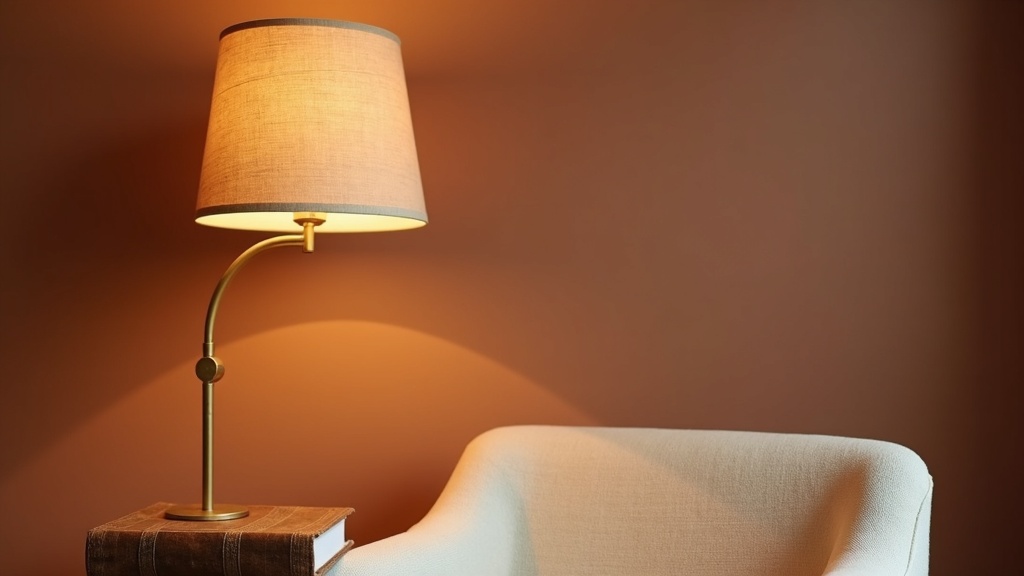
You do not need a window seat or a built-in shelf. A single armchair, one lamp, and a small surface at arm height is enough to turn a dead corner into a place you actually use.
Place the lamp so the bottom of the shade sits at roughly your eye level when seated. For most adults in a standard chair, that is between 120 cm and 140 cm from the floor. This positions the light just above and slightly in front of your reading material.
- Add a small side table or a stack of hardcover books as a surface for your mug.
- A throw blanket draped over the chair arm signals "this is a place to stay."
- Keep the wall behind the lamp bare or use a single, simple piece of art. Clutter behind the lamp competes with the light.
Five Reading Lamps Worth Considering for Bedroom Corners
These are chosen for how they perform in real bedrooms, not for brand recognition. Each one suits a different corner type.
- Brass arc floor lamp with linen shade: the most versatile choice for medium to large corners. The arc brings light over the chair; the linen diffuses it beautifully.
- Tripod floor lamp, matte black: suits a corner with clean lines and no spare surfaces. Adjust with a warm Edison-style globe bulb to soften the industrial frame.
- Adjustable swing-arm table lamp: for corners where a side table is already in place. Gives you precise directional control.
- Woven rattan table lamp: adds texture and casts a patterned glow on walls. Better for ambient warmth than focused reading light, best paired with a separate directional clip lamp.
- Rechargeable portable lamp (Zafferano Poldina or similar): for corners with no outlet. Battery lasts 8 to 12 hours at low setting. Genuinely warm light output.
How to Light Up a Corner With No Outlet Nearby
This is the most practical problem in bedroom lighting and the one most people solve badly, by running a cable under a rug or across a doorway.
Two cleaner options: a rechargeable portable lamp with a genuine warm output (check that it reaches at least 300 lumens), or a battery-powered LED strip tucked behind a shelf above the chair, aimed downward. Neither requires an electrician.
Did you know?
The Swedish concept of lagom, meaning "just the right amount," applies directly to bedroom lighting. Studies in environmental psychology show that rooms lit at 150 to 300 lux in the evening are rated as more comfortable and relaxing than brighter rooms, even when the furniture is identical.
The Details That Change How a Lamp Feels: Bulb, Shade, Height
Three decisions that most people make last, but should make first.
The bulb
A 2700K LED with a CRI of 90 or above is the standard to aim for. Avoid anything that says "daylight" or "cool white" for a bedroom reading corner. A dimmable bulb is worth the small extra cost.
The shade
Linen and paper diffuse and warm the light. Metal and glass direct and concentrate it. For a cozy reading nook, linen or a thick fabric is almost always the better choice unless you need a focused beam for detail work.
The height
Most people place lamps too high. The shade bottom should sit between your shoulder and your eye when seated. This puts the brightest zone exactly where your book is.
A Simple Rule for Getting Bedroom Corner Lighting Right
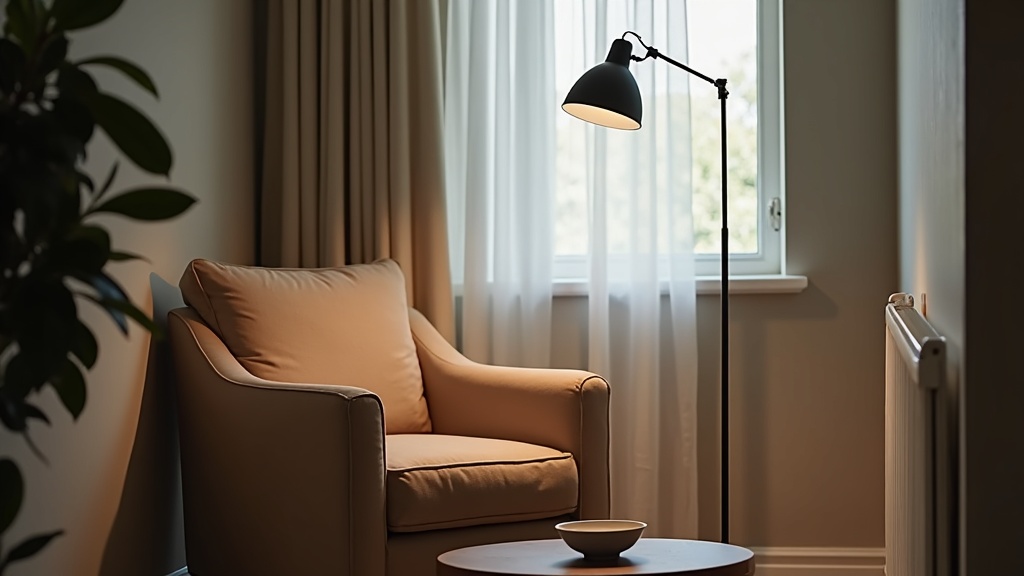
Light placed right does more for a room than any renovation. But it does not require complexity. One rule covers most situations: warm, directed, dimmable.
Warm means 2700K to 3000K. Directed means the light reaches your page, not the ceiling. Dimmable means you can shift from focused reading to soft ambient as the evening moves.
If your current corner lamp passes all three, it is probably already working. If it fails on even one, that is where the feeling is lost. Fix the weakest point first, usually the bulb, and see how much changes before replacing the whole lamp.


