
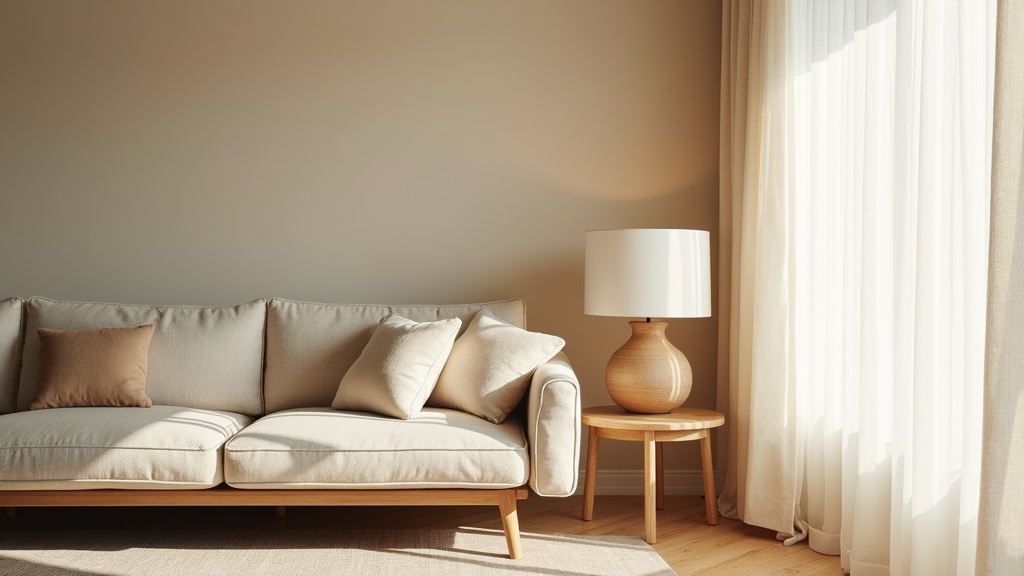
A lamp that sits too high throws harsh light into your eyes. One that sits too low disappears into the room, doing nothing for anyone. The difference between the two is rarely more than four or five inches, but you feel it the moment you sit down.
Good lighting doesn't announce itself. It settles into the room and changes how it feels. Getting the height right is the quietest, most effective thing you can do for a space.
Key points at a glance
- The bottom of a lamp shade should sit at seated eye level, roughly 60 to 64 inches from the floor in most rooms.
- For bedside lamps, the shade should be level with your shoulder when you sit up in bed, typically 24 to 27 inches from the nightstand surface.
- Lamp height and furniture height work as a pair: always measure both before buying.
- A lamp that is too tall creates glare; one that is too short creates shadow. Neither is restful.
- Desk lamps follow a different rule: the bottom of the shade should sit just below eye level when you are seated and working.
- A simple formula covers most situations: total lamp height equals furniture height plus lamp height, aiming for 58 to 64 inches from the floor.
What this guide gives you
Why Lamp Height Matters More Than You Think
Light placed right does more for a room than any renovation. It defines zones, softens edges, and tells the room what it is for. Height is the single variable that determines whether the light serves you or fights you.
Most people choose a lamp for how it looks on the shelf in a store. That is a reasonable start. But a lamp exists in relation to the furniture beneath it, the ceiling above it, and the person sitting beside it. Those relationships are what matter.
The One Rule That Works Across Every Room
The bottom of the lamp shade should never be above seated eye level. That is the rule. It applies in almost every domestic setting.
Seated eye level for most adults is between 60 and 64 inches from the floor. Add the height of the furniture the lamp sits on, and you can work backward to the lamp height you need.
The floor-to-shade formula
- Measure your furniture height (table, nightstand, desk).
- Subtract that from 60 to 64 inches.
- The result is your target total lamp height.
It is not complicated. It is just a number most people never think to calculate before they buy.
Table Lamps Next to a Sofa: Getting the Eye Level Right
A sofa side table typically sits between 24 and 28 inches tall. With that as your base, you want a lamp that brings the shade bottom to 58 to 64 inches from the floor. That means a lamp height of roughly 26 to 34 inches works for most living room setups.
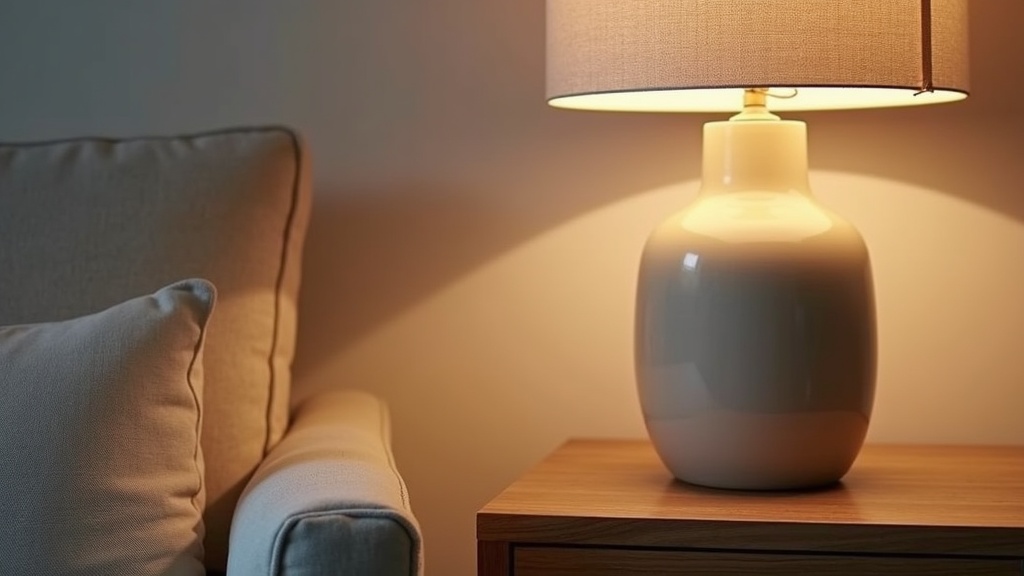
When you sit on the sofa, you should not be able to see the bare bulb. The shade should block the light source entirely. If you can see the bulb from your normal seated position, the lamp is too short or the shade too narrow.
Did you know?
The average sofa seat height in Europe and North America is 17 to 19 inches. Add average seated torso height and you land reliably at eye level around 44 to 48 inches from the floor when seated, which is why 60 to 64 inches for the shade bottom gives a comfortable visual buffer above the line of sight.
How tall should a table lamp be next to a sofa?
As a reliable starting point: 26 to 32 inches tall for lamps placed on a standard side table. If your side table is taller than 28 inches, stay toward the lower end of that range.
Bedside Lamps: The Nightstand Formula That Actually Works
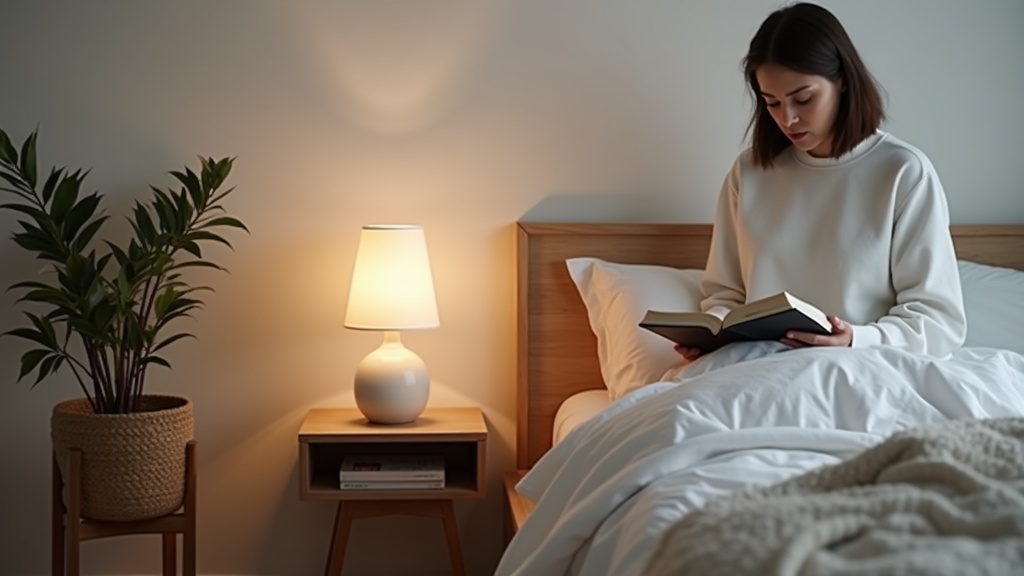
Bedside lighting is personal. It needs to be bright enough to read by and dim enough to not disturb a partner. Height is the first lever.
The rule here is shoulder-based, not eye-based. When you sit up in bed, the bottom of the shade should be roughly level with your shoulder. That puts soft light where your book is, not in your face.
Nightstand lamp height from the floor
- Standard nightstand height: 24 to 28 inches.
- Ideal total height (nightstand plus lamp): 48 to 54 inches from the floor.
- Target lamp height on its own: 24 to 27 inches.
If your bed is very low (a platform bed with no box spring), drop the lamp height slightly. If your mattress sits high, go a touch taller. The relationship between the lamp and your shoulder matters more than the absolute number.
Desk and Console Lamps: Function First, Then Form
A desk lamp is a tool. It should light the work surface without shadowing your hand and without the glare of a bare bulb at eye level when you look up.
The shade bottom should sit at or just below seated eye level, which for desk work is typically 50 to 55 inches from the floor. A standard desk is 29 to 30 inches tall, so you want a lamp height of 20 to 26 inches.
Console lamps are more architectural. They are less about task and more about presence. Here, a taller lamp (28 to 36 inches) works well, because you are passing the console, not sitting beside it.
Dining and Entryway Tables: When a Lamp Sets the Tone
A lamp on a dining sideboard or entryway console is doing decorative work as much as practical work. Scale matters more here than it does at the sofa or beside the bed.
For entryway tables (usually 30 to 36 inches tall), a lamp of 27 to 34 inches reads well and holds visual weight without overwhelming the space. You are not sitting near it, so glare is less of a concern. Presence is.
Did you know?
Interior designers often apply the one-third rule to entryway lamps: the lamp should occupy no more than one-third of the wall height between the table surface and the ceiling. In a room with 9-foot ceilings and a 34-inch console, that means a lamp of up to 32 inches, a number that aligns almost exactly with practical height guidelines.
A Simple Lamp Height Chart by Furniture Type
| Furniture type | Furniture height | Ideal lamp height | Target floor-to-shade |
|---|---|---|---|
| Sofa side table | 24 to 28 in | 26 to 34 in | 58 to 64 in |
| Nightstand | 24 to 28 in | 24 to 27 in | 48 to 54 in |
| Desk | 29 to 30 in | 20 to 26 in | 50 to 55 in |
| Console / entryway table | 30 to 36 in | 27 to 34 in | 60 to 68 in |
| Dining sideboard | 34 to 38 in | 24 to 30 in | 60 to 66 in |
Three Mistakes That Make a Lamp Feel Wrong
1. Choosing height before measuring furniture
A 32-inch lamp looks well-proportioned in a showroom. On your actual 30-inch nightstand, it may be three inches too tall. Always measure your furniture first.
2. Matching lamp pairs without adjusting for asymmetry
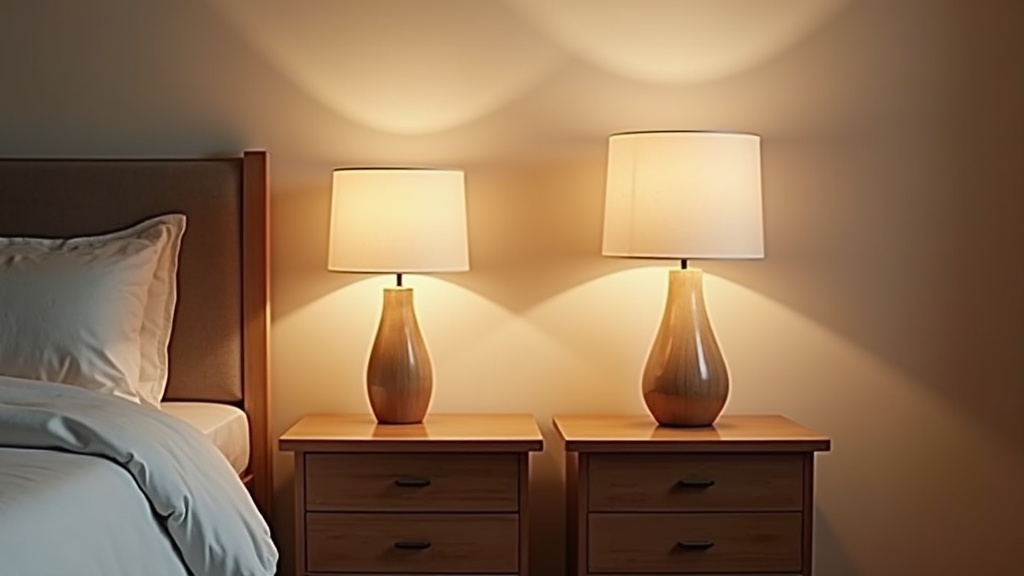
If your two nightstands are different heights (common in custom or vintage setups), identical lamps will sit at different levels. Buy lamps that bring the shade to the same height, not lamps that are the same size.
3. Ignoring the shade diameter
A tall lamp with a very narrow shade concentrates light into a thin column. A shorter lamp with a wide shade spreads warmth across a larger area. Height and shade diameter work together. A shade diameter of roughly half the lamp height is a useful starting ratio.
How to Measure Before You Buy
This takes four minutes and saves a return shipment.
- Step 1: Measure the height of the furniture the lamp will sit on, from floor to surface.
- Step 2: Decide your target floor-to-shade height using the chart above.
- Step 3: Subtract furniture height from your target. That is the maximum total lamp height you need.
- Step 4: When reading a lamp's listed dimensions, check whether the measurement includes or excludes the shade. Most manufacturers list total height, but some list base height only.
- Step 5: Sit in the position you will use most near the lamp, and hold a tape measure at eye level. That number is your personal floor-to-eye measurement. Use it instead of the 60 to 64 inch average if you are notably taller or shorter.
Lagom: not too much, not too little. A lamp at the right height simply belongs. You stop adjusting it, stop squinting past it, and start noticing the room instead.


