
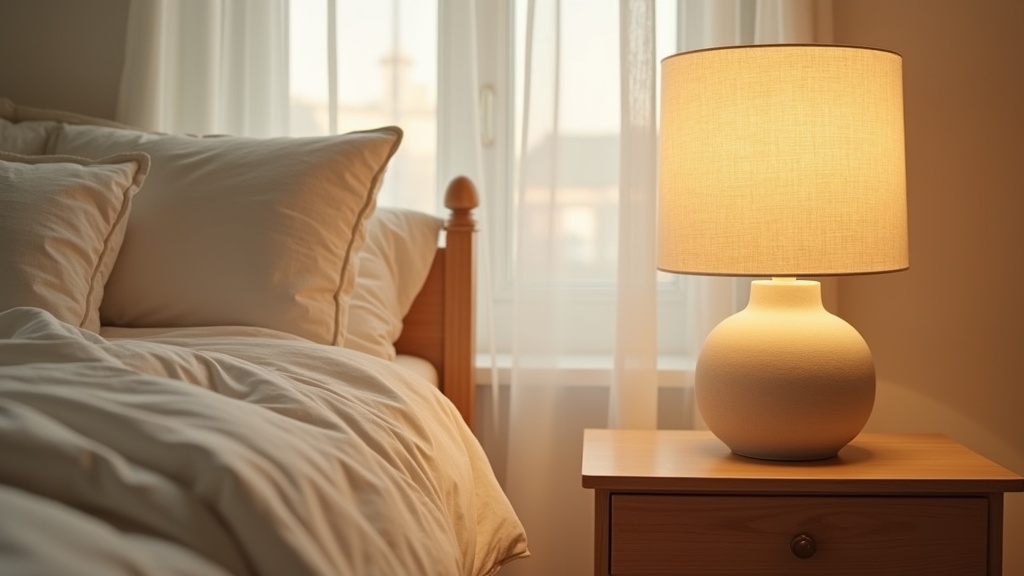
A lamp is not just a light source. It is the difference between a room that feels alive and one that just feels lit. The shade around the bulb does more work than most people realize.
Change the material and you change the mood entirely. That is where calm light begins: not at the switch, but at the weave, the weight, and the translucency of what surrounds the bulb.
Key points at a glance
- Linen is the most reliable lampshade fabric for soft, even light diffusion in everyday rooms.
- Semi-translucent materials like cotton and rice paper create warmth without harsh contrast.
- Opaque shades direct light down; translucent ones spread it through the room.
- The lining fabric changes the color temperature of the light as much as the outer material does.
- For LED and incandescent bulbs, heat resistance matters: not all natural fabrics are equal.
- DIY lampshades work well with styrene-backed fabric, rice paper, or pre-laminated linen panels.
What this guide gives you
Why the Material Matters More Than the Bulb
Most people choose a bulb carefully and grab whatever shade looks right on the shelf. That is the wrong order. The shade material filters, scatters, absorbs, or blocks light before it ever reaches your eyes or your walls.
A 2700K warm-white LED through a thick cotton drum shade feels like candlelight. The same bulb through a thin synthetic shade can feel sharp and clinical. The bulb sets the raw material. The shade determines everything else.
The Calm Light Spectrum: Opaque, Semi-Translucent, and Translucent Explained
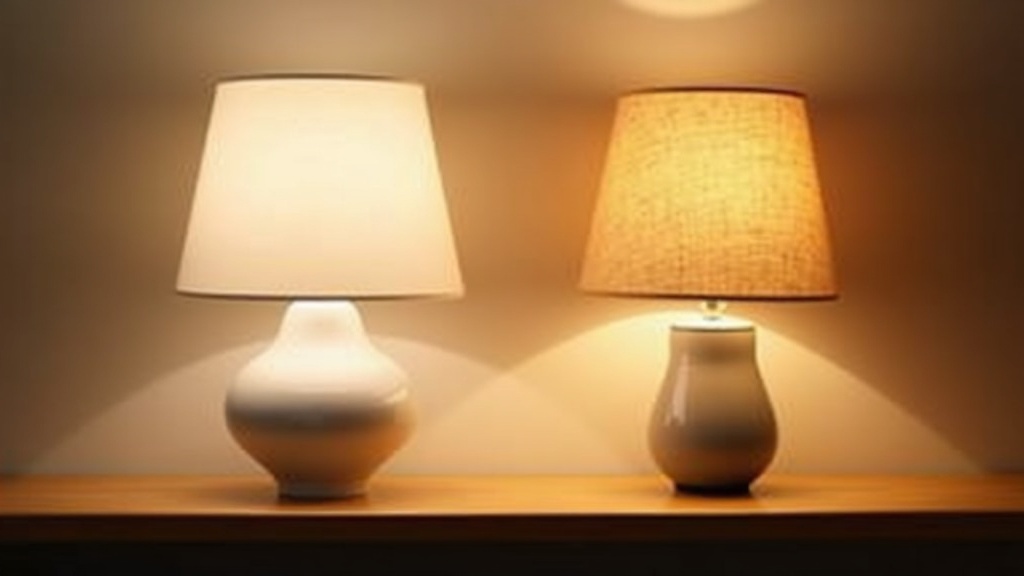
Every lampshade sits somewhere on a simple spectrum. Understanding it makes every other decision easier.
- Opaque shades block all light through the sides. Light exits only at the top and bottom. The result is focused pools: good for task lighting, dramatic for accent lamps, less suited to rooms where you want ambient softness.
- Semi-translucent shades let a portion of light pass through the material itself. The shade glows gently. Light spills both through the fabric and out the ends. This is the sweet spot for calm, livable rooms.
- Translucent shades allow almost all light through. The bulb silhouette may be visible. The room fills with diffused light from every angle. Beautiful, but can feel flat if overused.
Most natural fabrics fall into the semi-translucent category. That is not a coincidence. It is why they feel right.
Linen: The Quiet Workhorse of Calm Lighting
Linen is the best fabric for lampshades when soft, even light is the goal. Its natural slub texture scatters light as it passes through, softening any hotspots from the bulb beneath.
Linen is semi-translucent by nature. It has a slight warmth in its undyed state that nudges light toward amber. Washed linen goes even softer. It does not yellow with age the way synthetic fabrics do, and it holds its shape well on a frame.
Linen lampshade light diffusion is consistent because the weave is regular but not uniform. That slight irregularity is what makes it look hand-crafted, lived-in, and calm rather than clinical.
Did you know?
Linen is one of the oldest textiles in recorded history, used by the ancient Egyptians over 4,000 years ago. Its natural cellulose structure makes it inherently cooler to the touch than cotton, even when positioned close to a heat source. For lampshades, this translates into better long-term durability near low-wattage bulbs.
Cotton, Silk, and Burlap: What Each One Actually Does to Light
Cotton
Cotton sits between linen and silk in terms of translucency. A tightly woven cotton drum shade is closer to opaque. A loose weave lets light filter through more freely. Lampshade fabric for soft lighting made from cotton works best in medium-weight grades, where the fabric glows without revealing the bulb outline.
Silk
Silk is the most luminous of the three. Light passes through it cleanly, with a slight shimmer. It suits formal rooms and pendant fixtures. The downside: silk is fragile, fades with prolonged UV exposure, and needs careful handling near heat. It is not the right choice for a bedside lamp used daily.
Burlap
Burlap (jute) is coarse and open-weave. It lets light scatter in many directions, which creates texture on nearby walls. The light it produces is rustic and directional, not smooth. Good for statement pieces in kitchens or entryways. Less suited to calm bedroom or reading environments.
Rice Paper, Parchment, and Natural Fiber Shades: Soft Glow Without Fabric
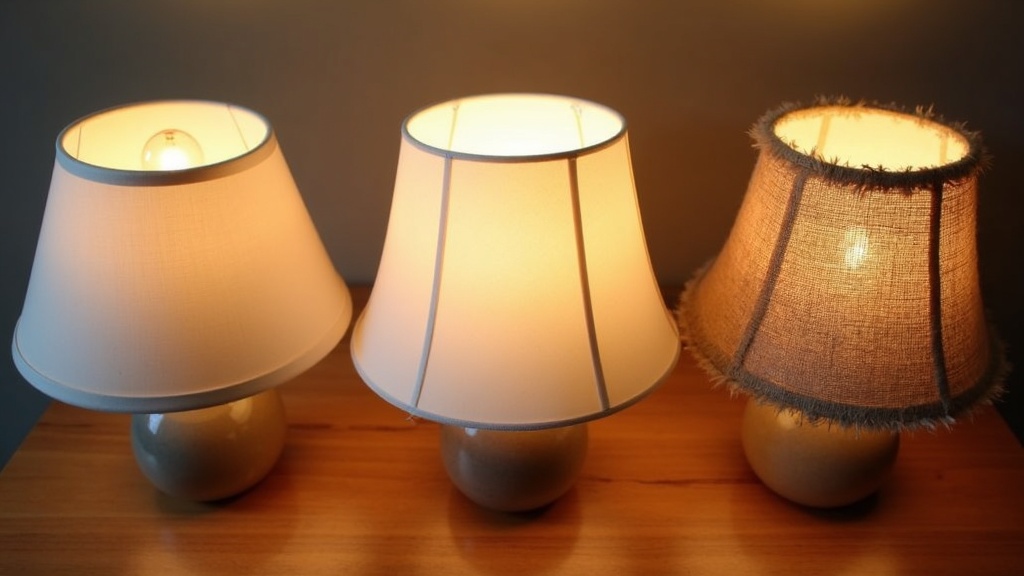
Rice paper lampshade glow is in a category of its own. The material is highly translucent, and light spreads through it in a way that feels organic and almost lunar. Japanese lantern-style shades use it for this reason.
Parchment (real or synthetic) is more opaque than rice paper, with a warm ivory tone that flatters the light passing through. It was the standard material for quality European lampshades throughout the mid-twentieth century and ages gracefully.
Natural fiber shades, woven from bamboo, rattan, or seagrass, are largely opaque with small gaps in the weave. They throw patterned light onto walls and ceilings, which can be beautiful in the right space. They are not diffusers. They are projectors.
Did you know?
Traditional Japanese washi paper, often used for lampshades, is made from the inner bark of the kozo (mulberry) plant. Its long, interlocking fibers give it a tensile strength far greater than standard rice paper, making it more durable as a shade material than it appears.
What to Use for the Lining (and Why It Changes Everything)
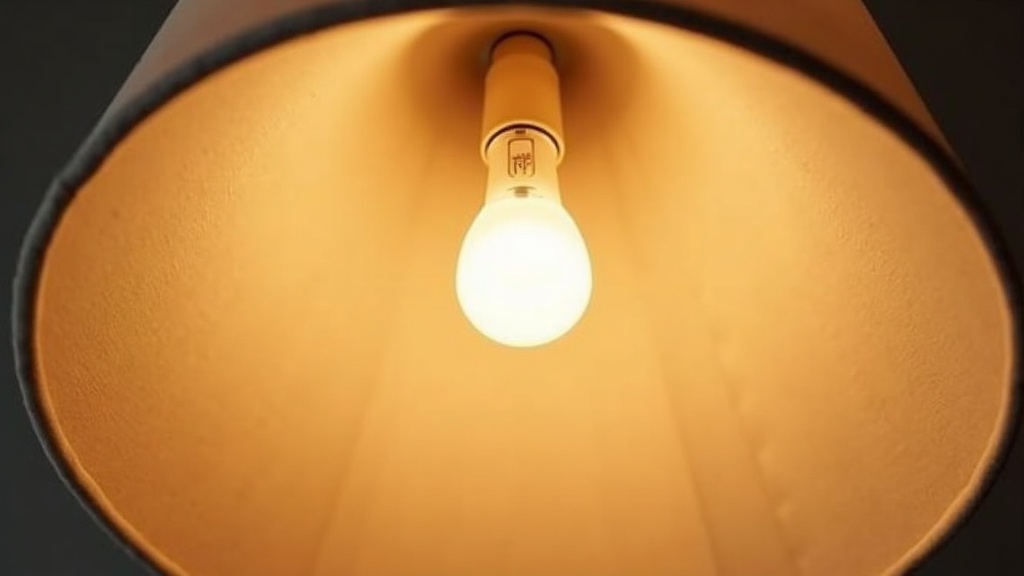
The best lampshade lining fabric is one most people never think about. But the lining sits between the outer material and the bulb, and its color directly affects the color temperature of the light that comes out.
- White lining: Neutral and bright. Maximizes lumen output. The light reads as clean and cool.
- Cream or ivory lining: Adds warmth. Nudges any bulb toward a cozier tone. The most common choice for living rooms and bedrooms.
- Gold or copper lining: Strong warm cast. Flatters skin tones. Best used with a dimmable bulb, as the combination can feel intense at full brightness.
- Styrene lining: Rigid, heat-resistant, and reflective. Often used in commercial or DIY shades. White styrene produces a clean, even glow with minimal fabric distortion.
If your room feels too cold at night despite a warm bulb, the lining is often the fix. A cream cotton lining on an existing shade costs almost nothing to retrofit.
Heat Safety and Practical Limits: What to Avoid
Heat-resistant lampshade material matters more with incandescent and halogen bulbs than with LED. A standard 60W incandescent can reach surface temperatures that scorch or yellow natural fabrics over time. Most LED bulbs stay cool enough that a wider range of materials is safe.
Avoid placing any fabric shade directly against the bulb. Always maintain at least 3 to 5 centimeters of clearance. And avoid these materials near heat:
- Thin synthetic fabrics (polyester, acrylic) discolor and can melt at moderate heat
- Untreated rice paper near incandescent bulbs above 40W
- Foam-backed fabrics, which can off-gas and yellow
- Painted or varnished natural fiber shades near high-wattage sources
How to Choose the Right Material for Your Room and Bulb Type
Use this table as a starting point. Match your room's purpose to the material that will serve it honestly.
| Material | Light quality | Best room use | LED safe? |
|---|---|---|---|
| Linen | Warm, even, semi-translucent | Bedroom, living room, study | Yes |
| Cotton (medium weave) | Soft, slightly cooler | Living room, dining area | Yes |
| Silk | Luminous, shimmery | Formal living room, accent lamp | Yes (low wattage) |
| Rice paper | Translucent, diffused, glowing | Hallway, reading nook, meditation space | Yes (LED only) |
| Parchment | Warm ivory glow, semi-opaque | Living room, library, bedside | Yes |
| Burlap / jute | Rustic, textured, scattered | Kitchen, entryway, statement piece | Yes |
Making Your Choice: A Practical Starting Point
If the room is a bedroom or a reading corner, start with linen or parchment. Both materials earn their place without competing for attention. That is the point.
If you are making a DIY lampshade, pre-laminated linen or styrene-backed cotton panels are the most forgiving materials to work with. They hold their shape, glue cleanly to a wire frame, and diffuse light evenly from the first evening you switch them on.
For pendant fixtures in open-plan spaces, rice paper or washi gives you that diffused, room-filling glow without adding visual weight to the space. Keep the bulb at 6W to 10W LED and let the material do the work.
And if you are not sure: choose linen in a natural, undyed tone. It suits almost every room, every bulb type, and every style of interior. It will not create drama. It will create calm. That is enough.


