
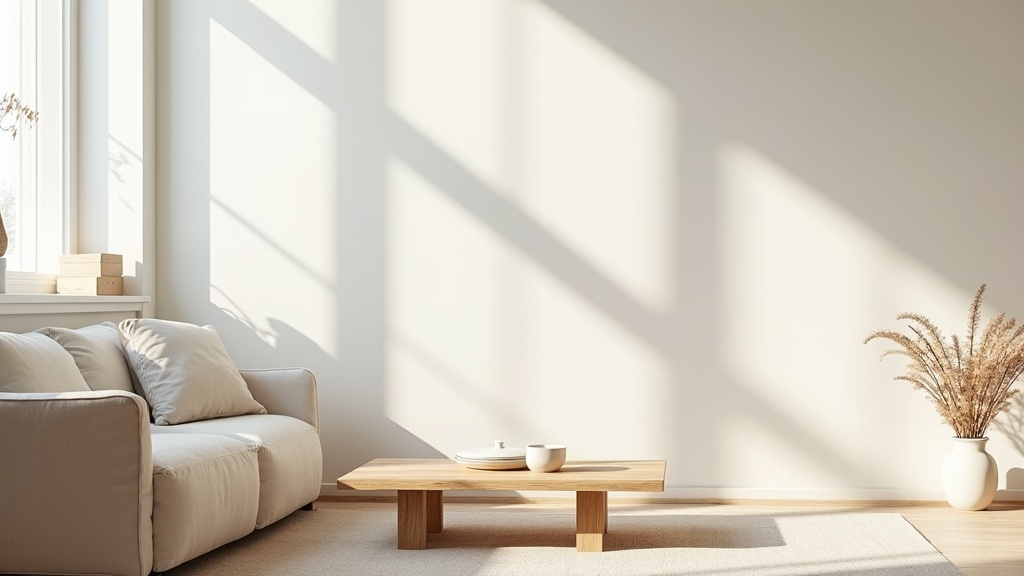
A room doesn't need to be expensive to feel right. It needs to feel intentional. The difference between a space that reads as cheap and one that feels considered is rarely about price. It's about material, proportion, and light.
This guide is for people who want their home to feel calm and well-made, without spending like an interior designer's client. Practical, specific, and grounded in what actually works.
Key points at a glance
- Material and finish matter more than brand name when signaling quality.
- A few well-chosen pieces outperform a room full of filler furniture.
- Lighting does more for a room's feel than almost any single purchase.
- IKEA works best when mixed, not matched from one collection end to end.
- Knowing where to spend and where to save is the real skill.
- Red flags at checkout can cost you more than buying slightly better once.
What you get from this guide
Why Expensive-Looking Furniture Is About Feeling, Not Price Tags
The eye reads a room through texture, weight, and proportion. A chair with solid legs, a slightly rough linen upholstery, and a low profile reads as considered. The same chair in shiny faux leather with thin chrome feet reads as an afterthought, regardless of price.
Cheap furniture that looks high end shares one trait: restraint. Clean lines. No decorative excess. Colors that sit quietly rather than compete.
The Swedish concept of lagom applies perfectly here. Not too much, not too little. A room furnished with lagom doesn't shout. It simply works.

The Materials That Signal Quality at a Glance
Material is the single biggest lever you have. Get this right and the price becomes almost irrelevant to a visitor's perception of your space.
Materials that work in your favor
- Solid or veneered oak: Even a thin oak veneer over MDF reads as warm and real.
- Natural linen or cotton: Textured, breathable, and they age gracefully.
- Rattan and cane: Instantly add an artisanal, considered quality.
- Matte black or brass metal: Looks precise and intentional when used sparingly.
- Concrete or stone-effect ceramics: Heavy, cool, grounded. Hard to read as cheap.
Materials to be careful with
- High-gloss laminates: they catch light badly and show scratches immediately.
- Bright chrome on furniture legs: reads as office or 1990s kitchen.
- Very thin, light-feeling upholstery foam: it compresses visibly within months.
| Material | Looks expensive? | Durability | Budget-friendly? |
|---|---|---|---|
| Oak veneer | Yes | Good if sealed well | Yes |
| Natural linen | Yes | Good with care | Moderate |
| Rattan/cane | Yes | Moderate | Yes |
| High-gloss laminate | Rarely | Scratches easily | Yes |
| Faux leather (bonded) | Short term only | Peels within 2-3 years | Yes |
| Solid pine | If oiled, yes | Very good | Yes |
The Best Affordable Furniture Brands Worth Knowing
These aren't exhaustive lists. They're starting points based on consistent quality, honest materials, and design that holds up over time.
For everyday quality
- IKEA: The right pieces, mixed thoughtfully, consistently punch above their price. More on this below.
- Wayfair: Wide range. Look for pieces with solid wood accents and high review volume on durability, not just looks.
- Article: Mid-range, direct-to-consumer, and genuinely well-designed. One of the better options for affordable modern furniture online.
- West Elm: More expensive than IKEA, but regular sales make it a serious contender for key pieces like sofas and dining tables.
For unique furniture at a lower cost
- Facebook Marketplace and Vinted Home: Solid wood pieces from the 1970s and 1980s cost almost nothing and outlast flatpack by decades.
- Etsy: Small makers, real materials, sometimes surprisingly close in price to mass-market alternatives.
- Thrift stores near wealthy neighborhoods: The best-kept secret in budget furniture for the living room.
Did you know?
IKEA is the world's largest consumer of wood, using approximately 1% of the world's commercial wood supply each year. Their flat-pack model reduces transport volume by up to 50% compared to pre-assembled furniture, which is part of why prices stay low without sacrificing material quality on key lines.
Room by Room: Where to Spend and Where to Save
Not every piece deserves the same investment. Spend where you sit or sleep. Save where you store.
Living room
The sofa is the room. Buy the best sofa you can stretch to. A budget sofa that looks deflated after 18 months will drag every other piece down with it. For the coffee table and side tables, budget options in oak veneer or rattan work perfectly well.
Bedroom
The bed frame matters visually. A solid wooden or upholstered headboard in a neutral tone elevates the entire room. Storage solutions like wardrobes can be IKEA PAX without any compromise to how the room feels.
Dining room
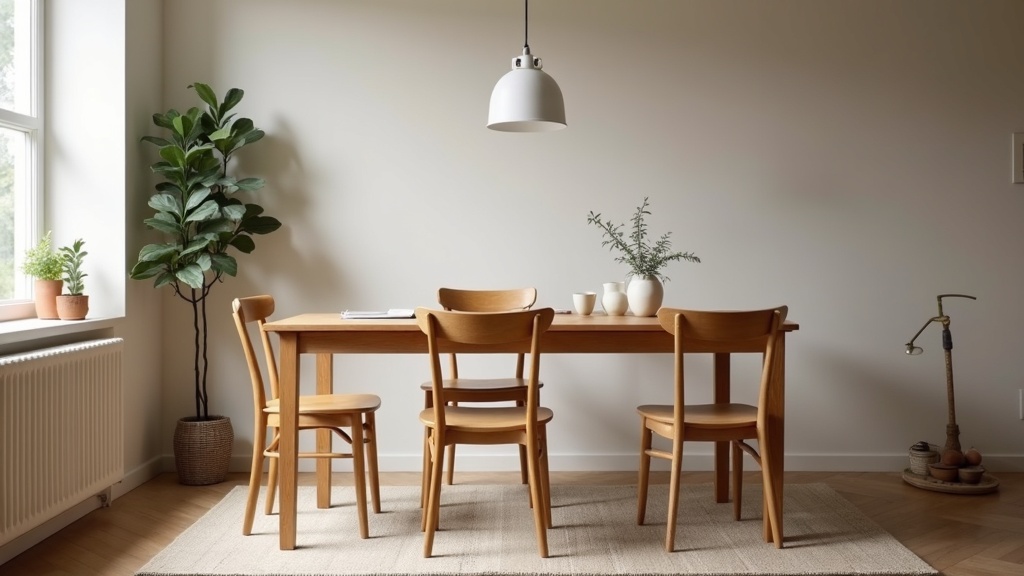
A solid wood dining table, even secondhand, is worth the search. Chairs are where you save: mix two or three mismatched styles in the same material family for a look that feels gathered rather than catalog-ordered.
How Lighting Turns Budget Pieces Into Something Considered
Good lighting doesn't announce itself. It settles into a room and changes how everything else reads. A €30 IKEA side table next to a warm-toned table lamp reads very differently than the same table under a harsh overhead bulb.
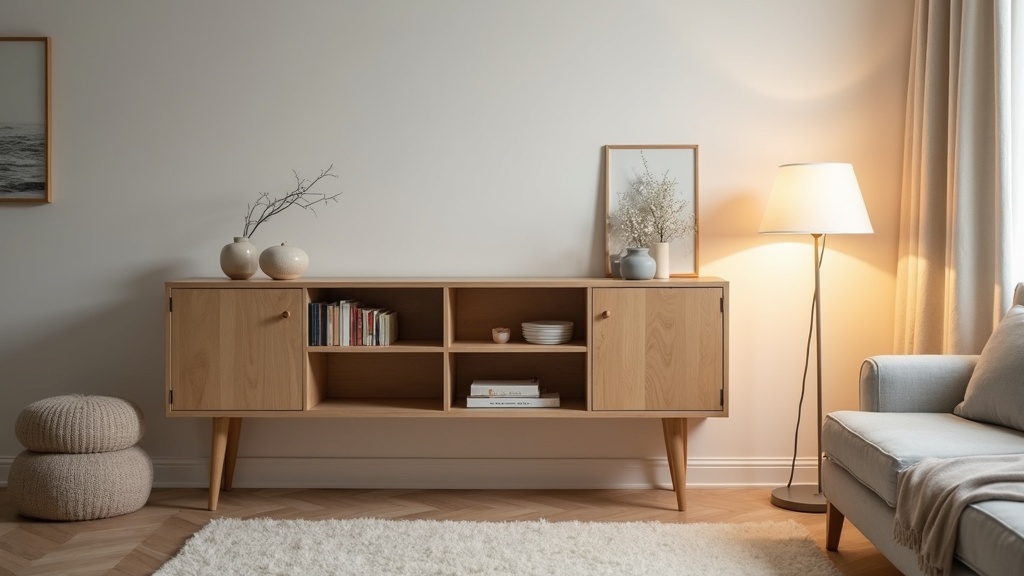
The rule: Overhead lighting recedes, lamps come forward. The more of your light comes from the lower half of the room, the more intimate and considered the space feels.
- Aim for bulbs at 2700K to 3000K color temperature. Warmer, not whiter.
- Layer at least two light sources per room. Three is better.
- A single well-placed floor lamp can make an affordable sofa look like a deliberate design choice.
Did you know?
Research in environmental psychology shows that rooms lit with multiple lower-level warm light sources are consistently rated as more comfortable, more trustworthy, and more expensive-looking than rooms lit from a single overhead source, even when the furniture is identical.
The IKEA Approach Done Right
IKEA furniture that looks high end comes down to one principle: don't furnish an entire room from a single IKEA range. A room where every piece is BILLY, KALLAX, and POÄNG reads as student accommodation, even if each individual piece is perfectly fine.
What works from IKEA
- KALLAX shelving: Pair with solid wood legs from a hardware store to lift it off the floor and transform the feel entirely.
- LISABO table: Real ash veneer, honest joinery. One of the best-value dining tables on the market.
- SÖDERHAMN sofa: Low, modular, clean. Works particularly well in linen covers from third-party brands like Bemz.
- SINNERLIG pendant: Woven seagrass. Looks like it belongs in a €300 lighting store.
What to skip
Anything in that particular bright white laminate that yellows within two years. And the very lightest weight storage options: they flex and wobble in a way that reads immediately as cheap.
Red Flags to Avoid When Buying Furniture on a Budget
The best place to buy furniture on a budget isn't always the cheapest listing. Some common patterns cost more in the long run.
- "Real wood" in a product title, checked against specs that say MDF: A consistent bait-and-switch. Read the full materials list.
- No weight information for upholstered pieces: Lighter is almost always thinner foam and weaker frame.
- Only glamour-shot images: If there are no detail photos showing corners, legs, and joints, assume something is being hidden.
- Bonded or PU leather labeled as leather: It looks fine for a year. Then it peels in strips.
- Prices that feel unreal: A solid oak dining table for £89 is either veneer over MDF or pine painted to resemble oak. Neither is wrong, but you should know what you're buying.
A Short Checklist Before You Buy
Run through these before confirming any furniture purchase. Takes two minutes and saves a lot of regret.
- Do I know exactly what material this is made from, including the frame?
- Have I measured the space and the piece, including door widths for delivery?
- Is there at least one review that mentions durability after 12 months or more?
- Does this piece work with what I already own, or am I buying around a problem?
- Would I still want this in three years, or am I reacting to a trend?
- Is the return policy clear, in case the color or scale doesn't work in person?
Affordable furniture that looks expensive is not a trick. It's a set of consistent choices: honest materials, restrained forms, light used thoughtfully, and the patience to buy less but better. The best pieces are the ones you stop noticing, because they simply belong.


