
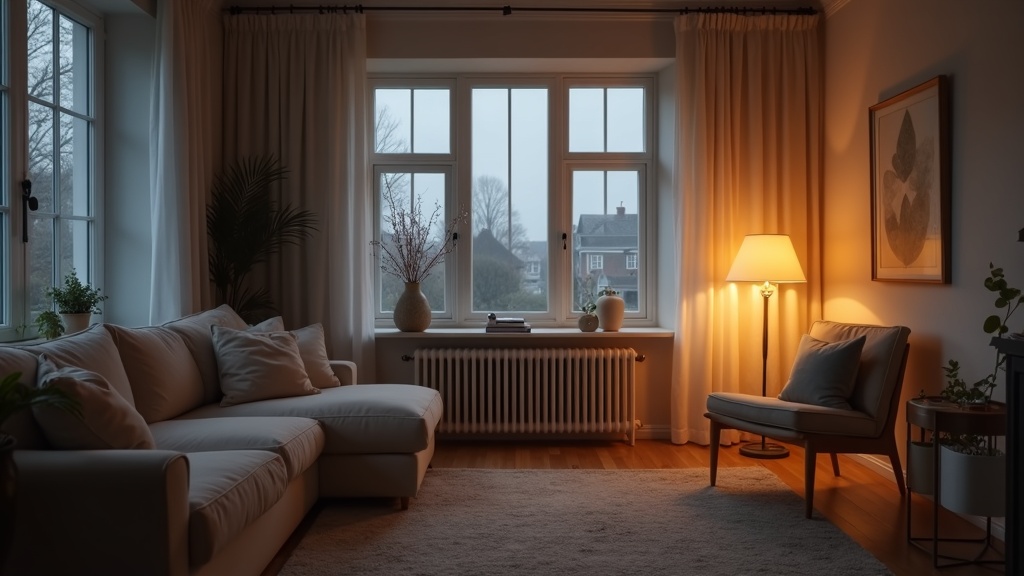
A room can be full of light and still feel wrong. Too bright where you want to relax. Too dim where you need to focus. The furniture is fine, the colours work, but something keeps it from settling.
Most of the time, the problem is not the amount of light. It is the type. Ambient and task lighting serve completely different purposes, and mixing them well is what separates a room that works from one that just exists.
Key points at a glance
- Ambient lighting sets the mood of a room; task lighting serves a specific action.
- Most lamps can function as ambient sources, but placement and shade type change everything.
- Layering both types is possible without touching a single wire or hiring an electrician.
- The most common mistake is relying on one overhead light to do both jobs at once.
- Each room has different needs: what works in a bedroom will not work in a kitchen.
- The right question before buying a lamp is not "do I like it" but "what job will it do here."
What layered lighting gives you
Light Does Two Different Jobs (And Most Rooms Only Do One)
Think of light the way you think of sound in a room. There is background sound that sets the tone, and there is a specific voice you need to hear clearly. Both matter. Neither replaces the other.
Ambient lighting is the background. It fills the room with a general, soft glow. It makes the space feel safe, warm, and liveable. Task lighting is the voice you need to hear: focused, direct, positioned exactly where the work happens.
Most rooms rely on a single overhead light to do both. That is like turning up the background music to have a conversation. It is loud, and it still does not solve the real problem.
What Ambient Lighting Actually Is, and Which Lamps Create It
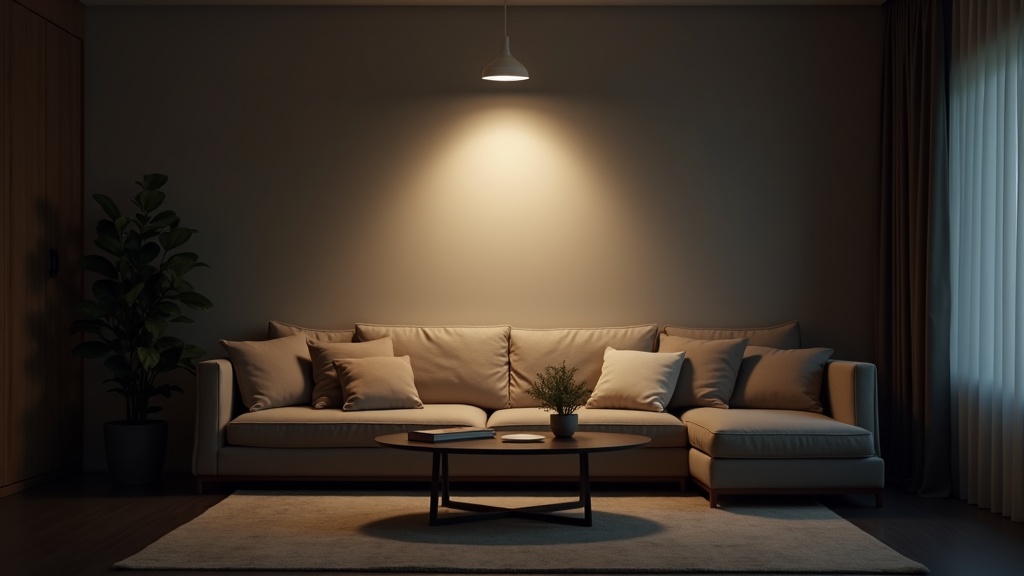
Ambient lighting is diffused, non-directional light that raises the baseline brightness of a room without pointing at anything specific. It wraps. It softens. Good ambient light makes you breathe out slightly when you walk in.
Ambient lighting examples in practice
- A tall floor lamp with a linen or paper shade, placed in a corner to bounce light off walls
- A table lamp with a wide drum shade on a sideboard or console
- LED strip lighting tucked behind a shelf or under a floating cabinet, casting an indirect glow
- A pendant with an opaque or frosted globe shade that diffuses rather than directs
Are lamps ambient lighting? Yes, most of the time. A lamp with a diffusing shade pushes light outward and upward, filling a room gently. The key word is diffuse. If the shade lets light spread, it is doing ambient work.
Did you know?
Warm white bulbs (2700K to 3000K) trigger a measurable shift in how relaxed people feel in a room. Studies in environmental psychology have linked warmer colour temperatures to lower cortisol levels in domestic settings, which is part of why Scandinavian interiors favour low, warm ambient sources over bright overhead lighting in the evenings.
What Task Lighting Is, and Where It Needs to Land
Task lighting is precise. It exists to illuminate a specific surface where a specific action takes place: reading, writing, cooking, applying makeup, working at a screen.
The key difference from ambient light is directionality. Task light points. It concentrates. It does not try to fill a room.
Task lighting examples by location
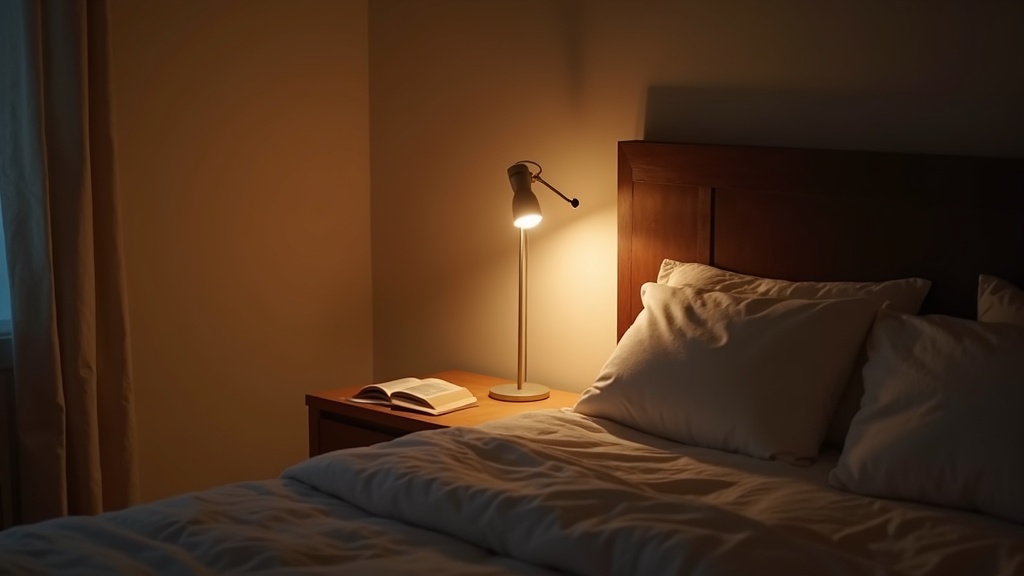
- A swing-arm wall lamp above the bedside, angled toward a book
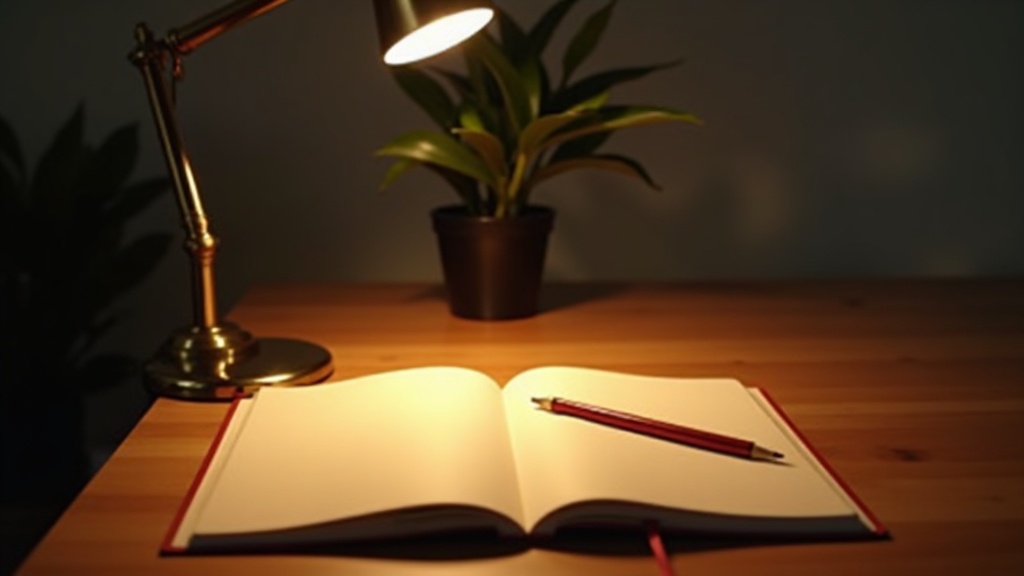
- A focused desk lamp with an adjustable neck positioned to the side of a laptop, not behind it
- Under-cabinet LED strips in a kitchen, lighting the chopping surface directly
- A magnifying lamp at a craft table or vanity mirror
Height and angle matter more than brightness. A task lamp placed behind you creates shadow exactly where you need light. Position it to the side and slightly forward of where your hands will be.
The Common Mistakes That Make Rooms Feel Off
Understanding common ambient lighting mistakes saves you from buying lamps that do not actually solve anything.
- One overhead light, nothing else. This flattens a room and creates harsh shadows. It handles neither ambient nor task lighting well.
- Task lamps used as the only source of light. A bright desk lamp in a dark room creates extreme contrast. Your eyes constantly readjust. It is tiring.
- Placing ambient lamps too high. A floor lamp with its bulb at eye level glares. Aim for light that sits above head height or bounces off a ceiling.
- Choosing lamps for how they look unlit. A sculptural lamp with a metal shade may be beautiful. Switched on, it may cast a single downward pool and nothing else.
- Ignoring the difference between accent lighting vs task lighting. Accent light highlights an object, a wall, or an architectural detail. It is decorative. Task light is functional. Confusing the two leaves both jobs undone.
Did you know?
The American Optometric Association recommends that task lighting should be approximately three times brighter than the ambient light surrounding it. The ratio matters more than the raw lumen count: a 400-lumen desk lamp in a 200-lumen room will cause far less eye strain than an 800-lumen lamp in total darkness.
Room by Room: Matching the Right Lamp to the Right Layer
Where to place ambient lighting depends on what each room asks of the people inside it. The living room needs to shift between social and restful modes. The kitchen needs strong task light above work surfaces. The bedroom should ease the transition into sleep.
| Room | Best ambient source | Best task source |
|---|---|---|
| Living room | Corner floor lamp with diffusing shade, 2700K | Swing-arm lamp beside reading chair |
| Bedroom | Low table lamp on dresser or nightstand, dimmable | Wall-mounted bedside lamp, adjustable angle |
| Home office | Floor lamp behind the monitor, aimed at ceiling | Adjustable desk lamp, side-positioned, 4000K |
| Kitchen | Pendant over dining area, warm tone | Under-cabinet LED strip above prep surface |
| Bathroom | Ceiling diffuser or globe pendant, dimmable | Vertical mirror light either side of face, not above |
How to Layer Both Types Without Rewiring a Thing
Layered lighting for home does not require a renovation. Every lamp in this guide plugs into a standard socket. The layering happens through placement, height, and shade choice.
A practical starting sequence
- Start with ambient: place one diffusing floor lamp or table lamp in a corner opposite the main light source. Switch off the overhead. See what the room feels like.
- Add task where needed: identify one surface where you regularly squint, strain, or lean in. That is your task lamp location.
- Add a dimmer where possible: plug-in dimmer adapters cost very little and transform a lamp from one fixed mood to something flexible.
- Consider accent last: if you have a shelf, artwork, or architectural detail worth drawing attention to, a small directed spotlight or picture light adds depth without adding clutter.
The One Question to Ask Before You Buy Another Lamp
Not: does it look good in the shop. Not: is it the right height. The question is: what specific job will this lamp do in that specific spot?
If the answer is "fill the room with a warm glow," you are buying ambient. Choose a diffusing shade, a warm bulb, and a position that lets light spread. If the answer is "help me read, write, or cook," you are buying task. Choose directionality, adjustability, and a slightly cooler colour temperature.
This is lagom applied to lighting. Not more sources, not brighter bulbs. Just the right light, doing the right job, placed in the right position. A room lit that way does not ask for your attention. It simply makes you feel better inside it, without you ever quite knowing why.


