
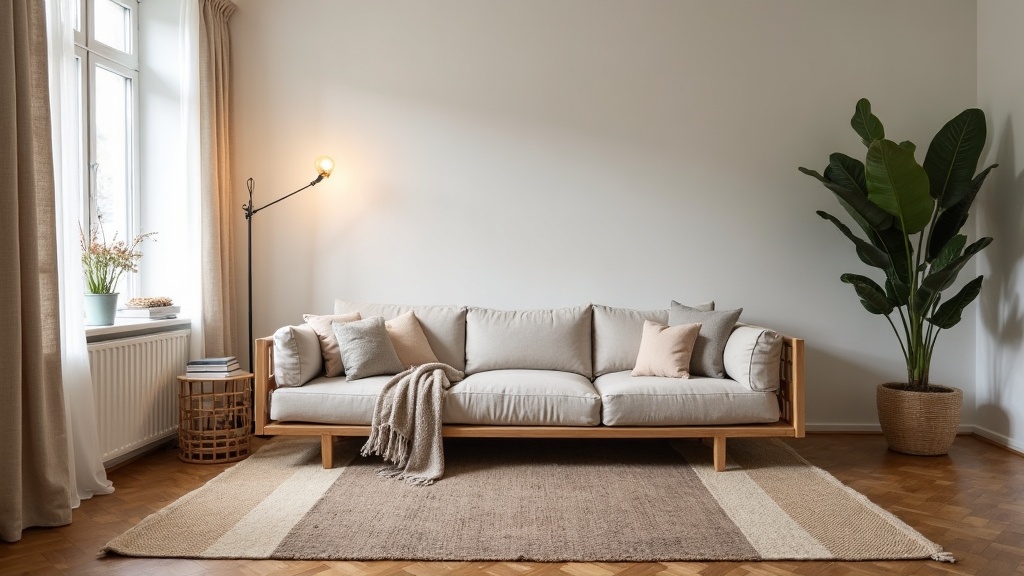
Your apartment came with scuffed baseboards, a bathroom that smells faintly of other people's choices, and lighting that makes everything look like a waiting room. You cannot knock down a wall. You cannot repaint without permission. But you can change how the space feels, completely, without leaving a mark.
These are the best ways to hide rental apartment flaws, gathered not from a design handbook but from years of actually living in imperfect spaces and making them work.
Key points at a glance
- Lighting is the single highest-leverage change you can make in a rental, no tools required.
- Layered rugs and jute mats cover ugly or damaged floors completely and leave no trace when removed.
- Peel-and-stick wallpaper, washi tape, and removable panels add character to blank walls without risking your deposit.
- Contact paper and stick-on tiles transform rental kitchens and bathrooms for under fifty dollars.
- Furniture placement shapes how large, cohesive, and intentional a room feels, before you spend anything.
- Scent and sound are often the missing layer that makes a space feel genuinely lived-in and calm.
What this guide gives you
Why Rentals Feel Hard to Love (And How to Change That)
Rental apartments are designed for neutrality. Landlords choose beige walls, flat-finish paint, and fluorescent tube lighting because it photographs acceptably and offends nobody. The result is a space that feels like nobody lives there, even after you move in.
The good news: most of what makes a room feel cold or harsh is fixable without touching a single surface permanently. Light, texture, scent, and scale do more than any coat of paint.
Start With Light: The Flaw That Hides Everything Else
Bad overhead lighting is the most common and most underestimated problem in rentals. A single bright bulb in the center of the ceiling flattens everything, creates harsh shadows, and makes cheap finishes look worse.
Good lighting does not announce itself. It settles into the room and changes how it feels.
What to do instead
- Unplug the overhead light entirely and use floor lamps and table lamps placed at different heights.
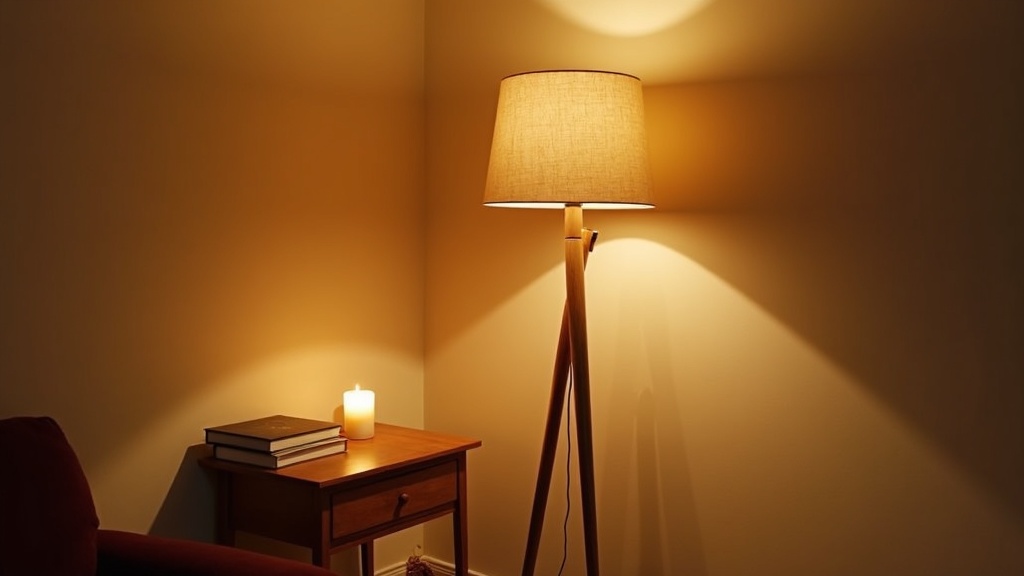
- Choose bulbs between 2700K and 3000K. That warm amber tone softens walls and disguises scuffs, stains, and uneven paint.
- Place a lamp in a dark corner. Corners that glow feel intentional. Corners left dark feel neglected.
- A plug-in pendant light (no wiring needed) hung from a ceiling hook changes the shape of a room dramatically.
Did you know?
Studies in environmental psychology show that warm ambient lighting (below 3000K) measurably increases how comfortable and safe people feel in a room, even when the physical space is identical to one lit with cool overhead light. Light placement, not just brightness, is what shapes perception.
Floors You Cannot Change, But Can Absolutely Cover
Ugly rental floors are almost universal: scratched laminate, worn linoleum, cold tile, or carpeting in a shade last seen in a 1987 office. The solution is layering, not replacing.
How to cover ugly rental floors
- Large area rugs are the most effective tool. A rug that goes under the sofa and coffee table anchors the whole living area and hides almost everything beneath it.
- For kitchens or entryways, a flat-weave runner in natural fiber (jute, cotton, sisal) works on any surface and cleans easily.
- Peel-and-stick vinyl floor tiles are a legitimate option for bathroom or kitchen floors. Many come off cleanly, especially on sealed tile.
- Layer two rugs, a large neutral base with a smaller textured rug on top, for a collected, intentional look that covers maximum surface.
Walls Without Damage: How to Add Character Without Losing Your Deposit
Blank white or beige walls are the default rental canvas. Most renters leave them exactly as they found them, and live with rooms that feel impersonal for years.
You have more options than you think, and none of them require a drill.
- Removable peel-and-stick wallpaper has improved dramatically. Brands like Chasing Paper or Tempaper offer genuine patterns that come off cleanly without residue.
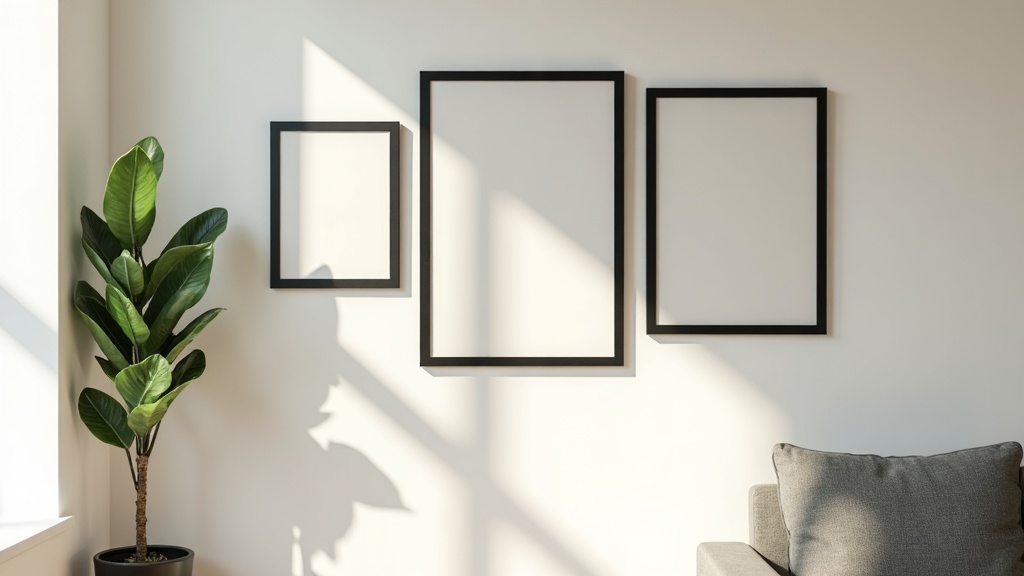
- Gallery walls with Command strips hold up to two kilograms per strip on most painted surfaces. A well-arranged grid of frames changes the entire character of a wall.
- Washi tape geometry creates graphic lines and shapes on walls for almost nothing. Peels off without a mark.
- A large mirror leaned against a wall (rather than hung) reflects light, adds depth, and requires no fixings at all.
The Kitchen and Bathroom Problem (And the Renter-Friendly Fix)
These two rooms tend to carry the most visible aging in rental apartments. Old grout, dated cabinet fronts, and generic hardware are stubborn, but not immovable.
Rental-friendly upgrades for bathrooms and kitchens
- Contact paper on cabinet doors and drawer fronts creates a completely different surface. Marble, linen, or matte black finishes are all available and genuinely convincing up close.
- Swap out cabinet hardware. Keep the originals in a bag. Replacing plain knobs with brass or matte black pulls takes twenty minutes and costs under thirty dollars. Put the originals back when you leave.
- Peel-and-stick backsplash tiles go directly over existing tile. They come in subway, hexagon, and zellige-style finishes. Most remove cleanly with a hairdryer and patience.
- In the bathroom, a new shower curtain, coordinated towels, and a wooden bath mat replace the visual noise of worn fixtures with something calm and considered.
| Problem | Renter-Friendly Fix | Approx. Cost |
|---|---|---|
| Ugly cabinet doors | Contact paper in linen or marble finish | $15, $35 |
| Dated cabinet hardware | Swap for brass or matte black pulls | $20, $50 |
| Bare or stained walls | Peel-and-stick wallpaper | $30, $80 |
| Worn or damaged floors | Large area rug or layered rugs | $40, $200 |
| Flat overhead lighting | Plug-in floor lamp or table lamps | $30, $120 |
| Blank, cold walls | Gallery wall with Command strips | $20, $60 |
Furniture Placement as a Design Tool
Most people push furniture against the walls. It feels logical, like it creates more space. It usually does the opposite: the room feels empty in the center and disconnected around the edges.
Pull furniture away from walls. Even fifteen centimeters makes a room feel more composed and deliberate. A sofa floating in a room with a rug underneath it looks styled. The same sofa against the baseboard looks like it was left there.
Three placement principles that cost nothing
- Anchor every seating area with a rug. It groups the furniture and defines the zone.
- Face seating toward a focal point, a window, a fireplace, a gallery wall, not toward a blank corner.
- Leave one clear sightline from the entrance. A room you can read in one glance feels larger than a cluttered one of the same size.
Smell, Sound, and the Invisible Layer of a Room
Two people can walk into the same room and have completely different feelings about it, based entirely on what they cannot see. Scent and sound shape how a space feels before conscious thought kicks in.
Rental apartments often carry a faint smell of cleaning products, other occupants, or simply age. A diffuser with cedarwood or eucalyptus essential oil, running gently in one corner, resets the olfactory baseline of the whole apartment within an hour.
Hard surfaces, bare walls, and uncovered floors reflect sound and create an echo. Rugs, curtains, and upholstered furniture absorb it. A room that sounds warm feels warm. This is not metaphor; it is acoustics.
Did you know?
Research from the Norwegian University of Science and Technology found that adding soft furnishings like rugs and curtains to a hard-surfaced room reduces reverberation time by up to 40%. Quieter rooms are consistently rated as more comfortable and less stressful by their occupants.
A Short List of Renter-Friendly Products Worth the Investment
Lagom applies here too: not too much, not too little. Buy a few things that work hard, rather than filling a space with items that only kind of help.
- A large floor lamp with a warm-toned bulb. This is the single best purchase for any rental. Use it every day.
- Linen curtains, floor-length. Hung high and wide (above and beyond the window frame), they make ceilings taller and windows larger.
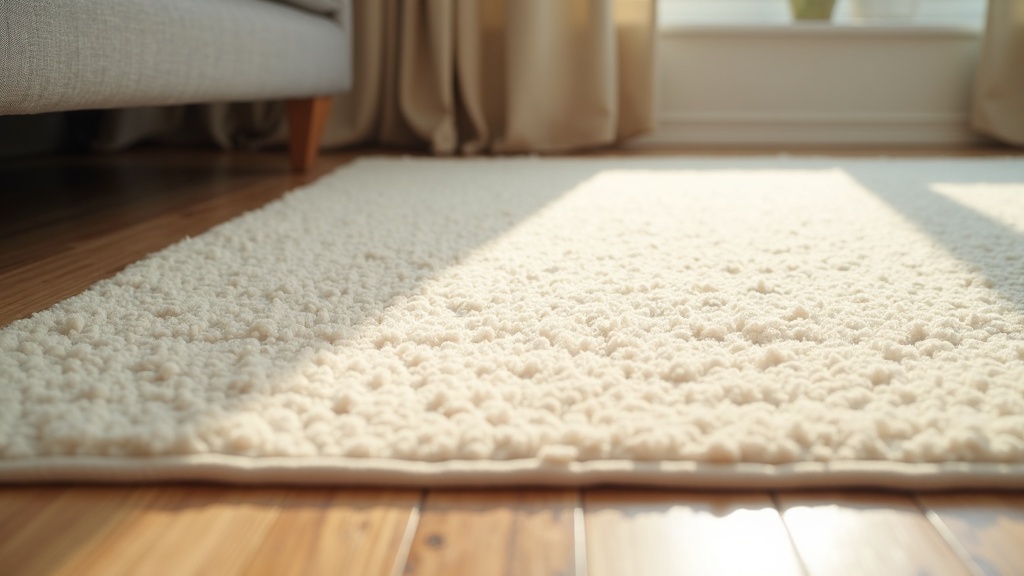
- One large area rug, at least 200x300cm. Undersized rugs are one of the most common mistakes in apartment styling.
- Plug-in wall sconces. They look hardwired but run on a cord tucked behind furniture. Instant architectural detail.
- A reed diffuser or cold-air aroma diffuser for continuous, low-level scent.
- Command strips in multiple weight ratings. The 3M large picture-hanging strips hold better than most people expect. Buy more than you think you need.
Where to start if you are overwhelmed
Fix the lighting first. Then the floor. Then the walls. That order follows the visual priority of any room: the atmosphere, then the ground plane, then the vertical surfaces. Tackle them one at a time and the apartment will feel different within a weekend.
You do not need to renovate to feel at home. You need to design for the way you actually live, not for a showroom version of it. The best spaces are quiet, considered, and deeply functional. That is entirely possible on a renter's budget, and entirely possible without asking your landlord for anything.


