
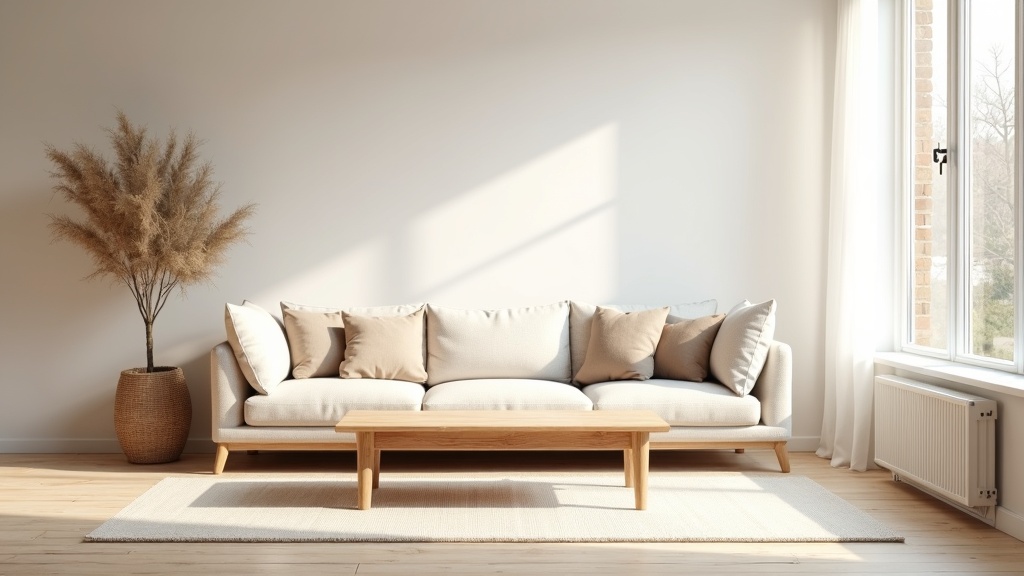
A room can have beautiful furniture and still feel wrong. Too crowded, too sparse, or just slightly off in a way you can't name. Most of the time, the problem isn't the style. It's the scale.
Scale is the relationship between your furniture and your room. Get it right, and everything settles. The room feels calm, purposeful, easy to be in. Get it wrong, and no amount of styling fixes it.
Key points at a glance
- Always measure your room before choosing any piece of furniture.
- The 2/3 rule keeps sofas, rugs, and tables in visual harmony with the space.
- The 3-5-7 rule applies to furniture groupings as much as it does to accessories.
- Small rooms need appropriately scaled furniture, not necessarily small furniture.
- Mixing sizes works when there is a clear anchor piece and intentional contrast.
- A simple checklist, room by room, removes most guesswork before you buy.
What good scale gives you
Why Scale Matters More Than Style
Style is personal. Scale is structural. You can change a cushion or a lamp shade. You can't easily undo a sofa that fills the room wall to wall.
Scale and proportion in interior design determine how every element relates to every other element. A chair that looks elegant in a showroom can look clumsy at home if the ceiling is lower, or the room is narrower than you expected.
The best pieces are the ones you stop noticing, because they simply belong. That quiet belonging is almost always a matter of scale.
The One Measurement You Should Take Before Anything Else
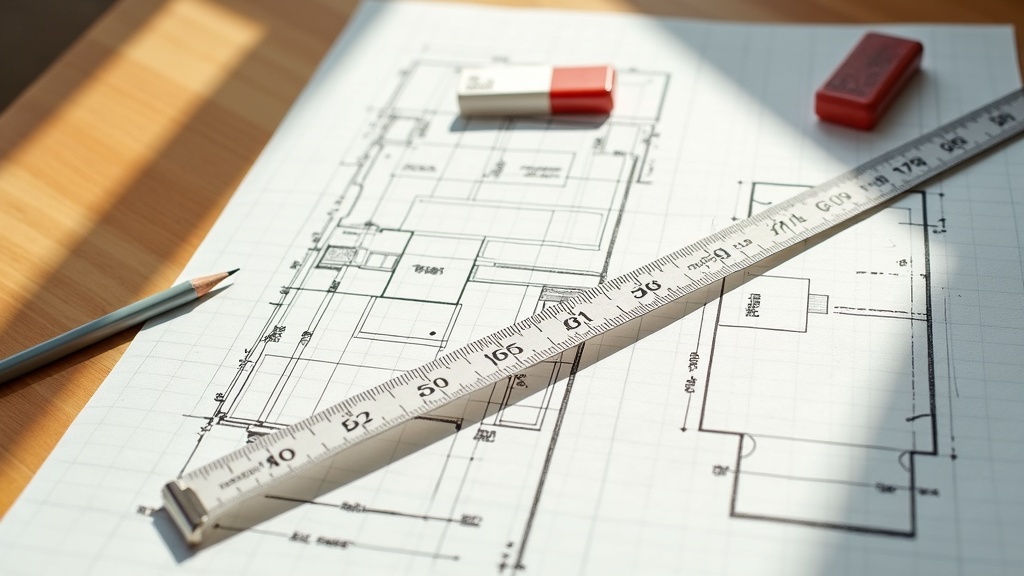
Measure the longest wall in the room. That single number anchors everything else.
From it, you can calculate the right sofa length, the right rug size, the appropriate visual weight of your anchor furniture. Knowing how to scale furniture to room size starts here, not in a showroom.
Three numbers worth writing down
- Room length and width (in metres or feet, whichever you think in)
- Ceiling height (it changes how tall your furniture can read)
- Door and window placement (they dictate traffic flow and light paths)
Tape these to your phone. Refer to them every time you consider a new piece. It takes three minutes and saves months of regret.
Did you know?
Most people overestimate the size of their rooms by 15 to 20 percent when shopping without measurements. That gap between memory and reality is the most common reason furniture returns happen.
The 2/3 Rule (and When to Trust It)
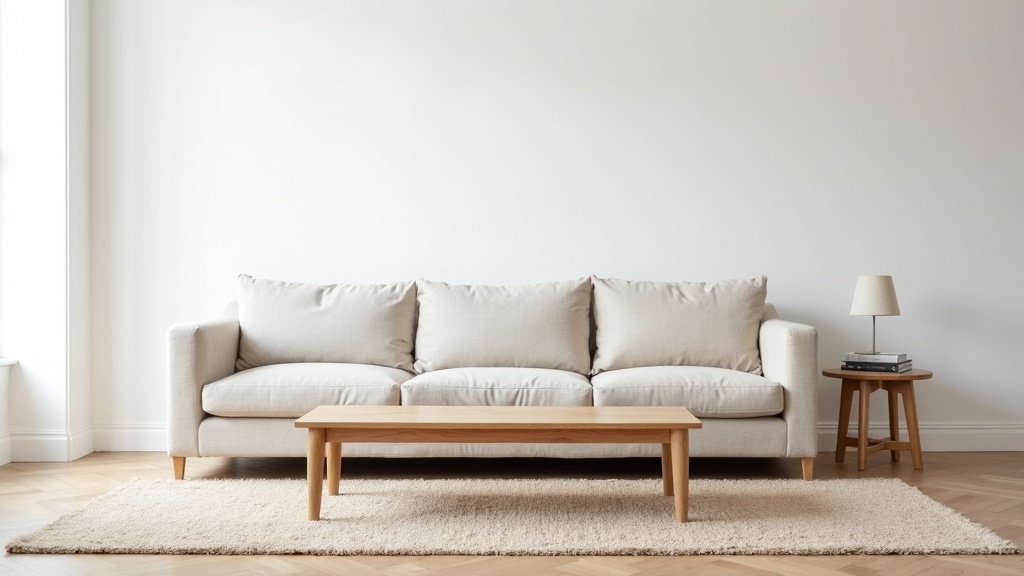
The 2/3 rule furniture principle is simple: your main furniture piece should occupy roughly two-thirds of the wall it sits against, or two-thirds of the seating area it anchors.
A sofa on a four-metre wall works best around 2.4 to 2.6 metres long. A rug under a dining table should extend at least two-thirds of the table's length beyond it on each side, so chairs stay on the rug when pulled out.
Where the 2/3 rule applies
- Sofa length relative to the wall behind it
- Rug size relative to the seating or dining arrangement
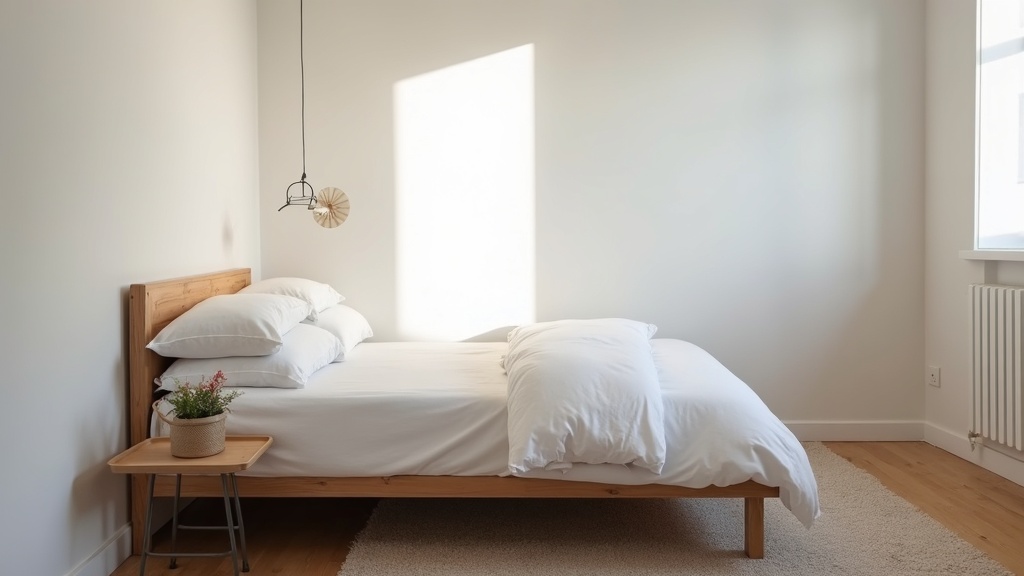
- Headboard width relative to the bed frame
- Artwork width relative to the furniture below it
The rule isn't rigid. A slightly shorter sofa paired with a side table and floor lamp can read as the full two-thirds visually. Proportion is about perception, not just measurement.
The 3-5-7 Rule: How It Applies to Furniture, Not Just Decor
The 3-5-7 rule decorating is usually taught for styling shelves or tabletops: group objects in odd numbers, varying heights. But it scales up beautifully to furniture arrangements.
In a living room, think: 3 main seating pieces (sofa, armchair, occasional chair), 5 surfaces (coffee table, two side tables, console, shelf), 7 light sources (overhead, two floor lamps, two table lamps, two candle zones). The odd numbers prevent the room from feeling symmetrical and static.
It isn't a formula to follow blindly. It's a nudge toward variety, which is what keeps a room feeling alive rather than arranged.
| Room | Anchor piece (2/3 rule) | Grouping (3-5-7) |
|---|---|---|
| Living room | Sofa: 2/3 of main wall | 3 seats, 5 surfaces, 7 light zones |
| Bedroom | Bed: 2/3 of feature wall width | 3 furniture pieces on each side wall max |
| Dining room | Table: 2/3 of room length | Odd number of pendant lights above |
| Home office | Desk: 2/3 of usable wall run | 3 storage types: open, closed, surface |
| Hallway | Console: 2/3 of available wall | 3-piece vignette: mirror, lamp, object |
Common Scale Mistakes and What They Do to a Room's Feel
The most frequent furniture arrangement mistakes come from a few predictable places.
Furniture pushed against every wall
This creates a room that feels like a waiting area. Floating furniture away from walls, even by 30 centimetres, adds depth and makes the space feel larger.
A rug that's too small
An undersized rug is the single most common scale error in living rooms. When just the front two legs of a sofa sit on the rug, the whole arrangement looks ungrounded. Go bigger than you think you need.
Mismatched visual weight
A delicate glass side table next to a heavy oak sofa creates friction. Not stylistic friction, which can be interesting, but visual noise, which just tires the eye.
Did you know?
In Scandinavian design practice, the concept of lagom (roughly: just the right amount) directly informs furniture selection. A room with one less piece than you think it needs almost always feels better than one with one too many.
How to Scale Furniture in Small Rooms Without Losing Function
Right size furniture for small rooms doesn't mean tiny furniture. It means appropriately proportioned furniture with the right visual weight.
A small room with low, open-legged furniture feels airier than the same room stuffed with low-to-the-ground upholstered pieces that block sightlines. Light passes under exposed legs. The floor reads as larger.
Practical moves for small rooms
- Choose one statement piece and keep everything else quiet around it.
- Use furniture with exposed legs wherever possible.
- Mount storage on walls to preserve floor area.
- A single large mirror, scaled correctly, doubles perceived depth without adding visual weight.
- Avoid more than two different wood tones: repetition reads as intention.
Mixing Furniture Sizes: What Works and What Creates Visual Noise
Mixing sizes is not a mistake. Done well, it creates the layered, lived-in quality that makes a room feel personal rather than decorated.
The rule is simple: vary heights, not visual weight. A tall bookshelf, a low sofa, and a medium-height console work together because each occupies a different vertical zone. Three pieces of similar height but different styles compete for the same space.
What creates visual noise
- Three or more focal points at the same eye level
- Furniture that all sits at the same height across the room
- Mixing very ornate pieces with very minimal ones without a clear bridge between them
Visual noise is tiring. You feel it as restlessness without knowing why. The solution is usually subtraction, not addition.
A Simple Room-by-Room Scale Checklist
Use this before you buy anything new. It takes less than five minutes and catches most problems before they become expensive.
Living room
- Sofa length: 2/3 of the main wall or less?
- Rug: large enough that all front legs (at minimum) sit on it?
- Coffee table height: within 5 cm of sofa seat height?
- At least 90 cm of walking clearance around main traffic paths?
Bedroom
- Bed frame: leaves at least 60 cm on each side for movement?
- Wardrobe depth: doesn't reduce the room to a corridor?
- Bedside tables: surface height within 10 cm of mattress top?
Dining room
- Table length: leaves 90 cm between table edge and wall?
- Chair seat height: 25 to 30 cm below tabletop?
- Pendant light: hung 70 to 80 cm above table surface?
Scale is not about precision for its own sake. It's about creating a room where nothing pulls too hard, nothing disappears, and the light has room to settle. Lagom: not too much, not too little. Just enough, done well.


