
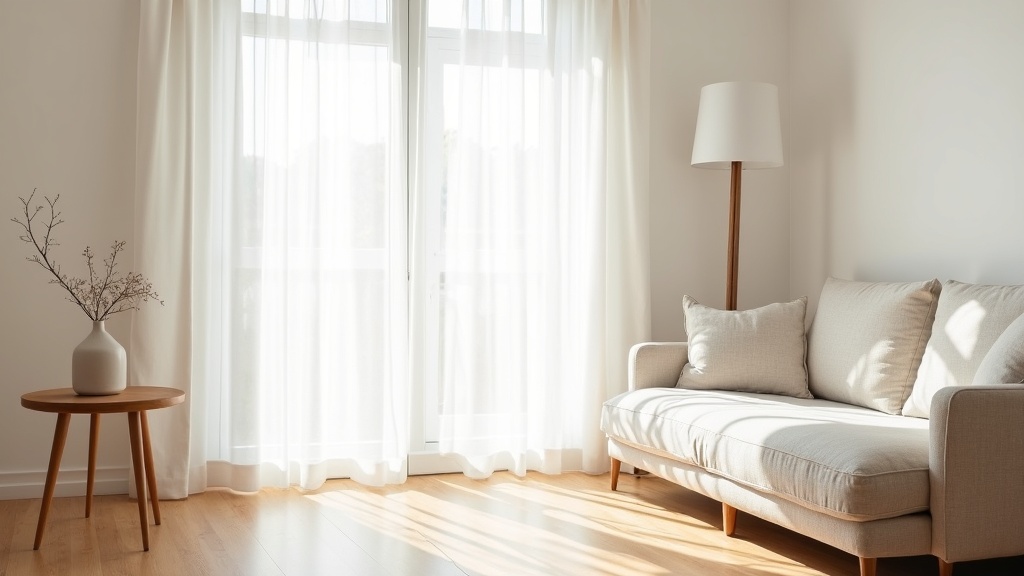
Most people assume luxury costs more. It usually costs less than you think, but it asks for something harder: restraint. A room that feels expensive is almost always a room where someone decided what not to add.
This is not about faking it. It is about understanding what actually makes a space feel calm, rich, and considered, then building toward that with a clear head and a realistic budget.
Key points at a glance
- Light is the cheapest and most powerful design tool in any apartment.
- Editing what you own matters more than buying new things.
- Spend on what you touch daily; save on what you see occasionally.
- Layering textures creates warmth that furniture alone cannot.
- Small apartments benefit most from a single, strong design intention.
- One consistent finish or material throughout a room unifies everything.
What this guide gives you
The Real Difference Between Expensive and Considered
Walk into a room that feels expensive and you will rarely be able to point to one thing and say: that is why. The feeling is cumulative. It comes from coherence, from materials that agree with each other, from space that is not overworked.
Luxury is not a price point. It is a decision made over and over: to keep only what belongs, and to do it well.
Start With Light: The Free Redesign Most People Skip
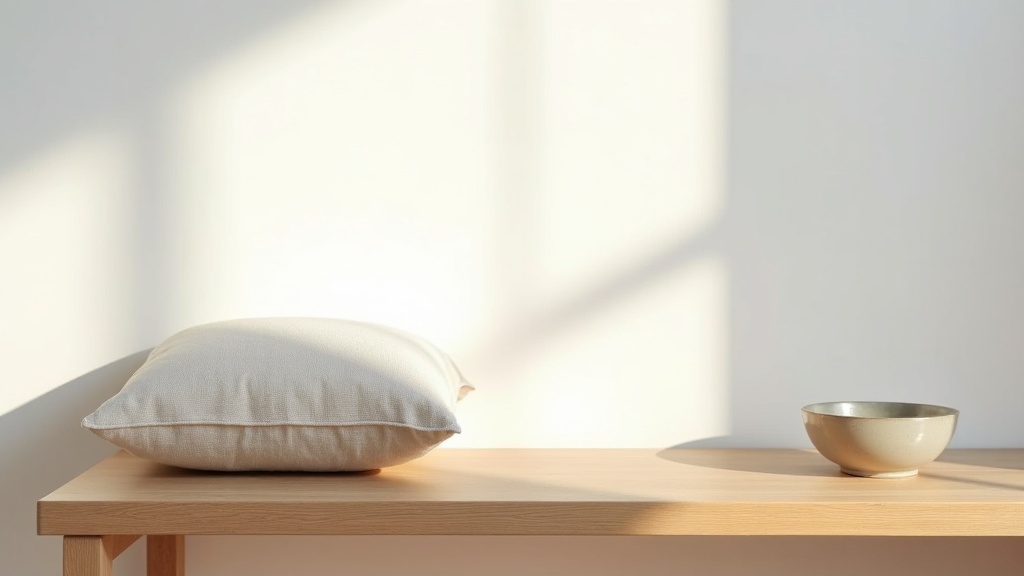
Good lighting does not announce itself. It settles into a room and changes how everything in it feels. Before you buy a single new piece, change where your light comes from.
Three moves that cost almost nothing
- Lower your light sources. A floor lamp in the corner does more than an overhead fixture doing all the work alone.
- Swap bulbs to 2700K warm white. Cool white light makes rooms feel clinical. Warm light makes them feel inhabited.
- Remove heavy window treatments. Sheer linen panels let in more daylight and still give you privacy. They also move with the air, which adds life to a static room.
Did you know?
Research from the Lighting Research Center at Rensselaer Polytechnic Institute found that light color temperature significantly affects perceived room warmth and occupant comfort. Switching to 2700K bulbs is one of the lowest-cost, highest-impact changes you can make in any apartment.
The Lagom Principle: Edit Before You Buy
Lagom is a Swedish concept with no direct English translation. It means not too much, not too little. Just enough, done well. Applied to apartment design, it means your first job is subtraction.
Before spending anything, remove everything from a shelf, a surface, or a corner. Then put back only what earns its place. Most rooms improve immediately. The pieces that remain suddenly have room to be seen.
This is the Scandinavian approach to apartment design: calm, intentional, never loud. It costs nothing and changes everything.
Where to Spend and Where to Save
Not all budget decisions are equal. Some things reward investment; others do not. The rule is simple: spend on what you touch every day, save on what you only see.
| Item | Spend or Save? | Why |
|---|---|---|
| Sofa | Spend | You use it daily; quality fabric and frame last a decade |
| Coffee table | Save | Vintage or secondhand pieces add character at low cost |
| Bedding & pillow covers | Spend | Touch matters; linen or percale cotton changes how rest feels |
| Decorative objects | Save | Thrift stores and estate sales yield ceramics that look bespoke |
| Area rug | Spend | It anchors the room; a thin, cheap rug undermines everything above it |
| Art and frames | Save | Simple black frames with quality prints from print-on-demand sites look clean and deliberate |
Texture Over Quantity: How Layering Creates Warmth
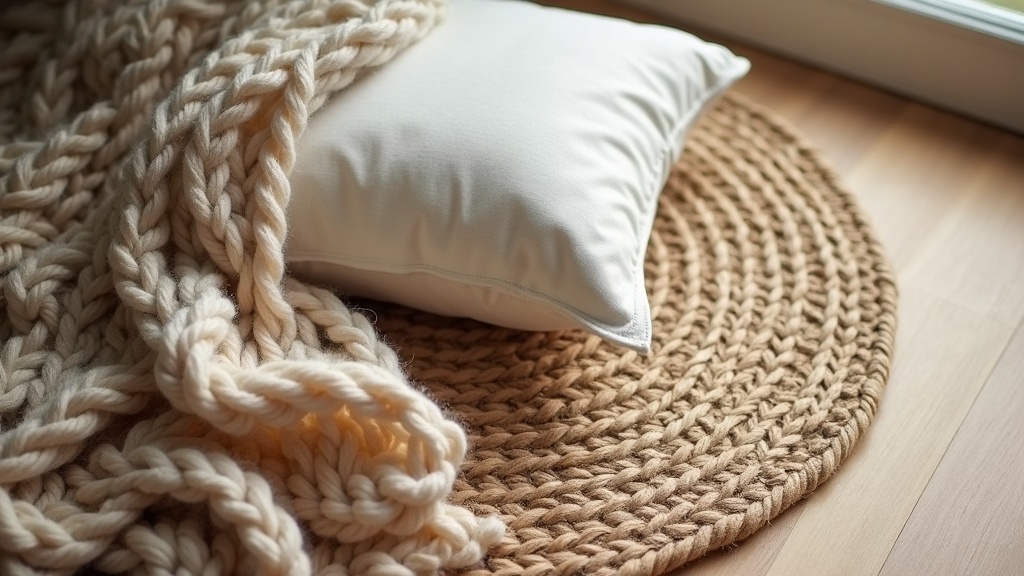
A room with five different materials feels richer than a room with fifteen pieces of furniture. Texture is what makes a photograph look three-dimensional. It is also what makes a real room feel like someone lives there well.
Think in layers: a wool throw over a linen cushion on a cotton sofa. A matte ceramic vase on a raw oak shelf. A jute rug under a glass side table. Each material introduces a different weight and surface, and together they create depth that no single purchase can achieve.
Small Luxury Apartments: Making Constraints Work for You
Small apartments punish clutter more brutally than large ones. But they also reward a single strong idea more generously. A small space with one clear intention always feels more luxurious than a large space with no direction.
Practical moves for compact rooms
- Use a single large rug instead of several small ones. It makes the floor feel continuous and the room feel bigger.
- Mount shelving high, close to the ceiling. It draws the eye upward and creates perceived height.
- Choose furniture with legs rather than pieces that sit flat on the floor. Visible floor space reads as spacious.
- Keep your palette to three tones maximum: one neutral base, one warm accent, one dark anchor.
Did you know?
According to the National Association of Realtors, the average US apartment size has shrunk by over 50 sq ft in the past decade. Scandinavian designers have been solving the small-luxury problem for generations, which is why their principles translate so directly to American city apartments.
The One Room Rule That Changes Everything
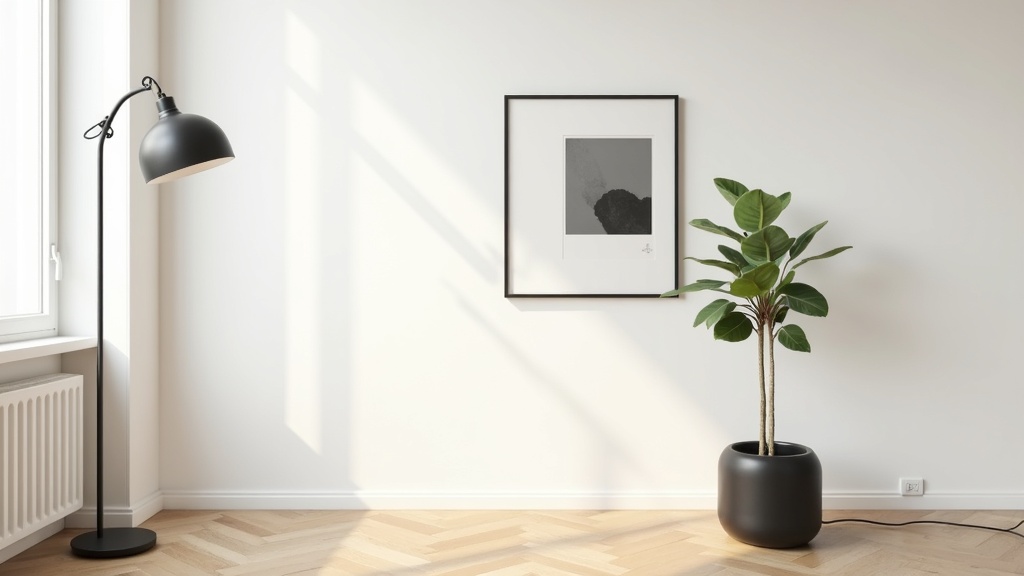
Pick one material or finish and carry it through the entire room. Not duplicated, but echoed. Brass in the lamp base, the cabinet handle, and the picture frame. Or matte black in the curtain rod, the side table leg, and the plant pot. Repetition reads as intention. Intention reads as design.
It costs nothing to look at what you already own and find what can be grouped or repeated. This single edit often does more than any new purchase.
Sustainable Swaps That Look High-End
Some of the most affordable luxury decor choices also happen to be the most sustainable. Secondhand furniture from Facebook Marketplace or local estate sales often has the kind of solid wood construction that new flat-pack pieces at the same price point cannot match.
Swaps worth making
- Beeswax candles instead of paraffin. They burn cleaner, last longer, and the honey-amber color is warmer than white wax.
- Linen curtains from Etsy makers instead of fast-home retailers. Similar price, far better drape and feel.
- Vintage ceramic tableware instead of matching sets. A collected-over-time look signals confidence, not budget.
- Houseplants in plain terracotta instead of branded plastic pots. Terracotta ages beautifully and costs almost nothing.
Start Here: Your Weekend Reset
You do not need a new apartment. You need a clear afternoon and a willingness to subtract before you add.
- Empty one surface completely. Put back three things maximum.
- Change every overhead bulb to 2700K warm white. Do it today.
- Move one light source to floor level. Notice the room at night.
- Find one material already in the room and repeat it in two other places.
- Fold one throw, place it deliberately. Not draped, not thrown. Placed.
That is it. No new purchases required. Start there, then build slowly and with intention. The best version of your apartment is already mostly in it.


